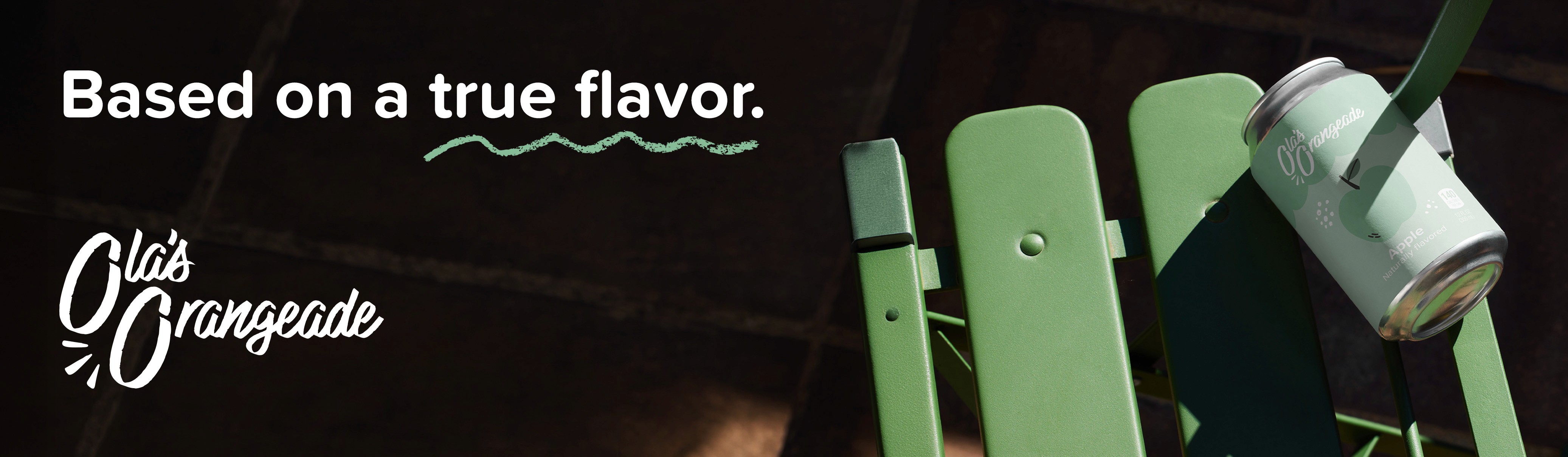
Ola's Orangeade
Ola's Orangeade
Ola's Orangeade
2025
2025
2025
Adobe Photoshop
Adobe Photoshop
Adobe Photoshop
Adobe Illustrator
Adobe Illustrator
Adobe Illustrator
Adobe InDesign
Adobe InDesign
Adobe InDesign
Oranżada, or orangeade, is a Polish soda fondly remembered by many as a childhood treat, especially amongst older generations.
Ola's Orangeade is an attempt to introduce oranżada to an audience outside of Poland, but in a way that distances it from its deceptive current brand presentation.
Oranżada, or orangeade, is a Polish soda fondly remembered by many as a childhood treat, especially amongst older generations.
Ola's Orangeade is an attempt to introduce oranżada to an audience outside of Poland, but in a way that distances it from its deceptive current brand presentation.
Oranżada, or orangeade, is a Polish soda fondly remembered by many as a childhood treat, especially amongst older generations.
Ola's Orangeade is an attempt to introduce oranżada to an audience outside of Poland, but in a way that distances it from its deceptive current brand presentation.


Project Research
Research Question:
How does the external presentation of oranżada influence its overall consumer perception?
I conducted a focus group with participants of diverse backgrounds, asking them to guess the flavor of different colors of Hellena oranżada before and after drinking it, with and without seeing the bottle's label, and saw how their answers varied.
Color and smell influence initial perceptions
Before tasting, participants relied heavily on color and smell to guess flavors.
Uncertainty and shifting opinions after tasting
Some flavors, like red (cherry/strawberry/blueberry) and yellow (apple/grape), caused confusion.
The clear drink was particularly ambiguous, with guesses ranging from lemon to apple.
Aftertaste and smell affect perceived flavor
Some participants noted that aftertaste influenced their perception.
Doubt and confusion after seeing the packaging
Participants expressed skepticism and felt misled by the uniform packaging.
Reactions included, “Have we been tricked? Have we been bamboozled?”
The label’s vagueness (e.g., “red drink”) led to further frustration and a lack of clarity.
Packaging lacks clarity and impacts purchase decisions
Lack of flavor identification (“There’s no flavor on the packaging.”)
The packaging is too vague or unappealing (“I don’t like the packaging.”).
Uncertainty about flavors affecting purchase decisions (“What if I don’t like strawberry-flavored things?”).
Patterns
The participants already had their associations of color with flavor.
“There’s going to be an apple one, there’s going to be a cherry—did you say cherry?”
“This is cherry, apple, and lemon.”
“Yes, because [the packaging] is the same and all red, so it makes me think the flavor is ‘red’.”
All of the participants associated red with “berry” flavors, including strawberry, blueberry, and cherry before and after trying it.
“(after seeing packaging) I still think it’s cherry.”
“Yes, because [the packaging] is the same and all red, so it makes me think the flavor is ‘red’.”
Participants started assuming the flavors were the same/similar after seeing the label when they originally stated otherwise.
“I think the smell is making it taste different because when I smell it, it’s different.”
“These two just taste the same to me now.”
They expressed immediate dissatisfaction when they felt the original packaging was deceitful, and stated they would not buy the product despite enjoying it.
“No, I don’t like the packaging, if I’m being picky.”
“[It says] ‘red drink!’ to me.”
“There’s no… I mean… they’re all the same color [and] label.”
Insights
Problem Statement:
A consumer who is interested in purchasing oranzada needs to see what exactly makes the product different from its competitors because the current external presentation is not helping them.
Project Research
Research Question:
How does the external presentation of oranżada influence its overall consumer perception?
I conducted a focus group with participants of diverse backgrounds, asking them to guess the flavor of different colors of Hellena oranżada before and after drinking it, with and without seeing the bottle's label, and saw how their answers varied.
Color and smell influence initial perceptions
Before tasting, participants relied heavily on color and smell to guess flavors.
Uncertainty and shifting opinions after tasting
Some flavors, like red (cherry/strawberry/blueberry) and yellow (apple/grape), caused confusion.
The clear drink was particularly ambiguous, with guesses ranging from lemon to apple.
Aftertaste and smell affect perceived flavor
Some participants noted that aftertaste influenced their perception.
Doubt and confusion after seeing the packaging
Participants expressed skepticism and felt misled by the uniform packaging.
Reactions included, “Have we been tricked? Have we been bamboozled?”
The label’s vagueness (e.g., “red drink”) led to further frustration and a lack of clarity.
Packaging lacks clarity and impacts purchase decisions
Lack of flavor identification (“There’s no flavor on the packaging.”)
The packaging is too vague or unappealing (“I don’t like the packaging.”).
Uncertainty about flavors affecting purchase decisions (“What if I don’t like strawberry-flavored things?”).
Patterns
The participants already had their associations of color with flavor.
“There’s going to be an apple one, there’s going to be a cherry—did you say cherry?”
“This is cherry, apple, and lemon.”
“Yes, because [the packaging] is the same and all red, so it makes me think the flavor is ‘red’.”
All of the participants associated red with “berry” flavors, including strawberry, blueberry, and cherry before and after trying it.
“(after seeing packaging) I still think it’s cherry.”
“Yes, because [the packaging] is the same and all red, so it makes me think the flavor is ‘red’.”
Participants started assuming the flavors were the same/similar after seeing the label when they originally stated otherwise.
“I think the smell is making it taste different because when I smell it, it’s different.”
“These two just taste the same to me now.”
They expressed immediate dissatisfaction when they felt the original packaging was deceitful, and stated they would not buy the product despite enjoying it.
“No, I don’t like the packaging, if I’m being picky.”
“[It says] ‘red drink!’ to me.”
“There’s no… I mean… they’re all the same color [and] label.”
Insights
Problem Statement:
A consumer who is interested in purchasing oranzada needs to see what exactly makes the product different from its competitors because the current external presentation is not helping them.
Project Research
Research Question:
How does the external presentation of oranżada influence its overall consumer perception?
I conducted a focus group with participants of diverse backgrounds, asking them to guess the flavor of different colors of Hellena oranżada before and after drinking it, with and without seeing the bottle's label, and saw how their answers varied.
Color and smell influence initial perceptions
Before tasting, participants relied heavily on color and smell to guess flavors.
Uncertainty and shifting opinions after tasting
Some flavors, like red (cherry/strawberry/blueberry) and yellow (apple/grape), caused confusion.
The clear drink was particularly ambiguous, with guesses ranging from lemon to apple.
Aftertaste and smell affect perceived flavor
Some participants noted that aftertaste influenced their perception.
Doubt and confusion after seeing the packaging
Participants expressed skepticism and felt misled by the uniform packaging.
Reactions included, “Have we been tricked? Have we been bamboozled?”
The label’s vagueness (e.g., “red drink”) led to further frustration and a lack of clarity.
Packaging lacks clarity and impacts purchase decisions
Lack of flavor identification (“There’s no flavor on the packaging.”)
The packaging is too vague or unappealing (“I don’t like the packaging.”).
Uncertainty about flavors affecting purchase decisions (“What if I don’t like strawberry-flavored things?”).
Patterns
The participants already had their associations of color with flavor.
“There’s going to be an apple one, there’s going to be a cherry—did you say cherry?”
“This is cherry, apple, and lemon.”
“Yes, because [the packaging] is the same and all red, so it makes me think the flavor is ‘red’.”
All of the participants associated red with “berry” flavors, including strawberry, blueberry, and cherry before and after trying it.
“(after seeing packaging) I still think it’s cherry.”
“Yes, because [the packaging] is the same and all red, so it makes me think the flavor is ‘red’.”
Participants started assuming the flavors were the same/similar after seeing the label when they originally stated otherwise.
“I think the smell is making it taste different because when I smell it, it’s different.”
“These two just taste the same to me now.”
They expressed immediate dissatisfaction when they felt the original packaging was deceitful, and stated they would not buy the product despite enjoying it.
“No, I don’t like the packaging, if I’m being picky.”
“[It says] ‘red drink!’ to me.”
“There’s no… I mean… they’re all the same color [and] label.”
Insights
Problem Statement:
A consumer who is interested in purchasing oranzada needs to see what exactly makes the product different from its competitors because the current external presentation is not helping them.
Product Packaging
Product Packaging
Product Packaging
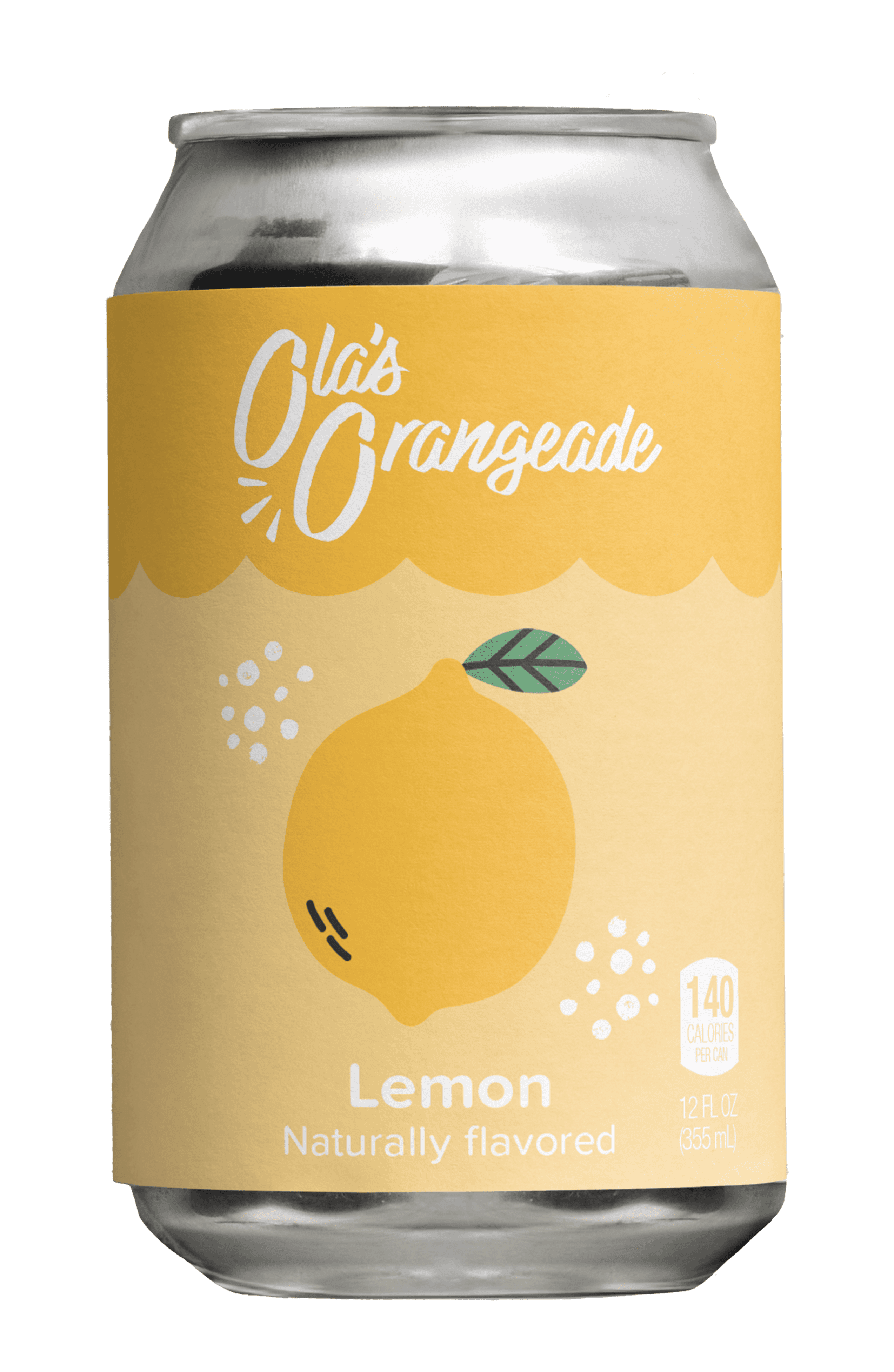
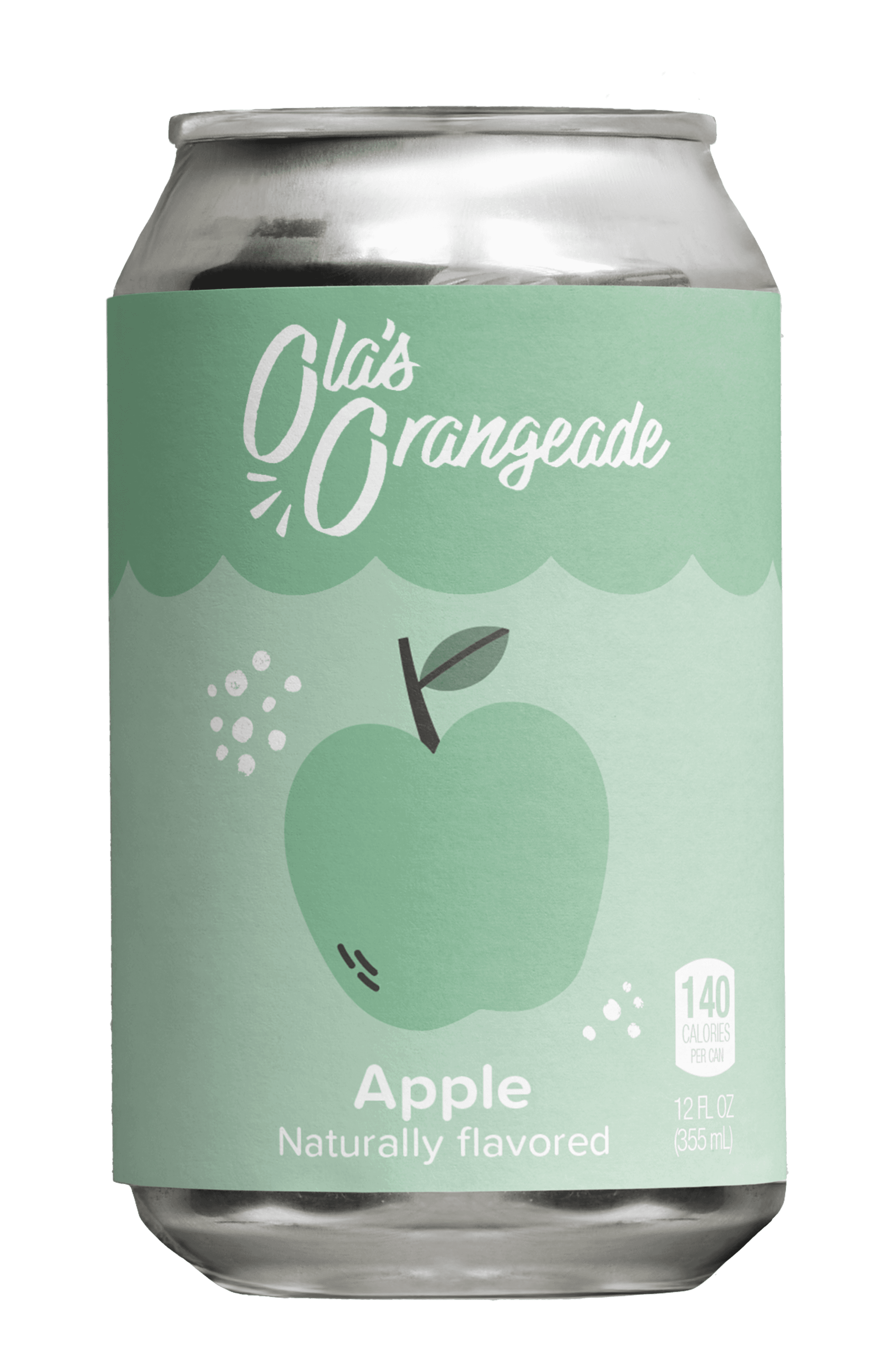
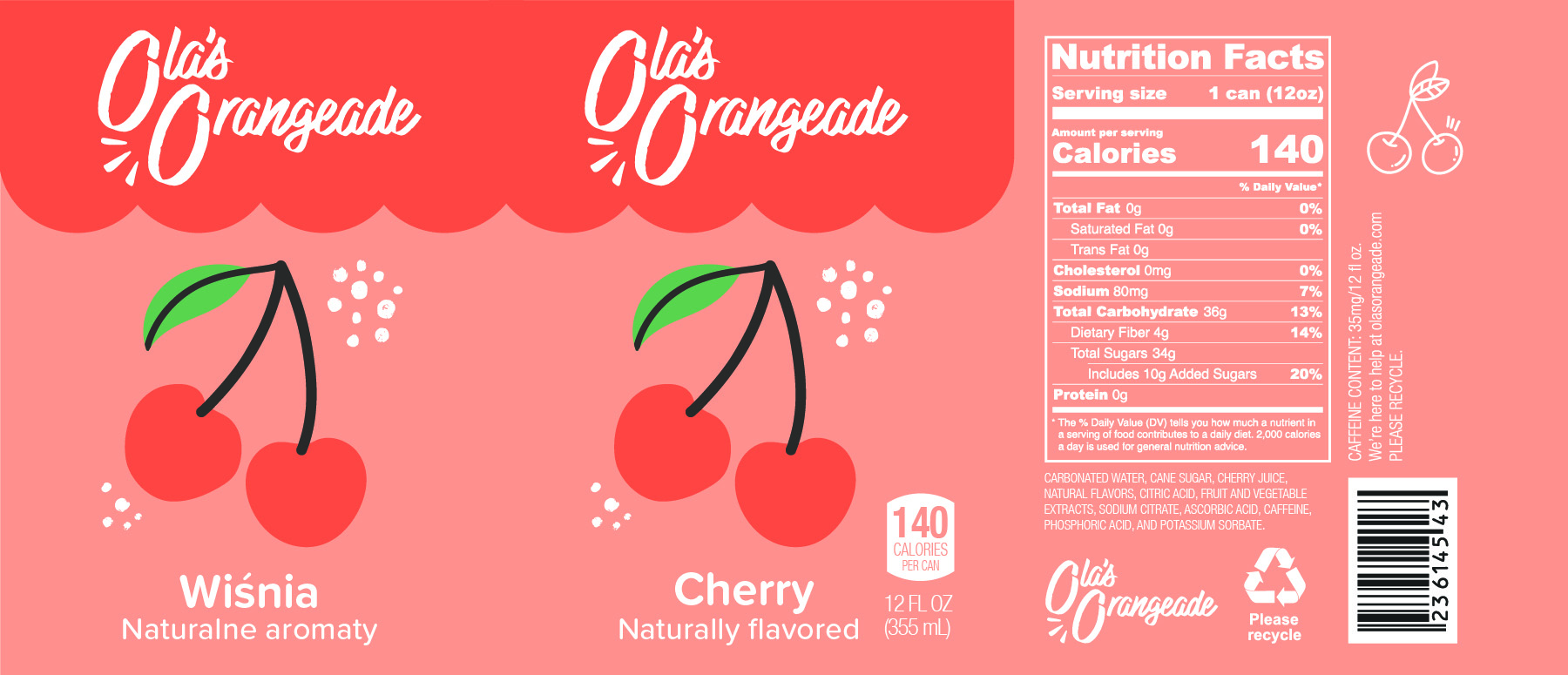
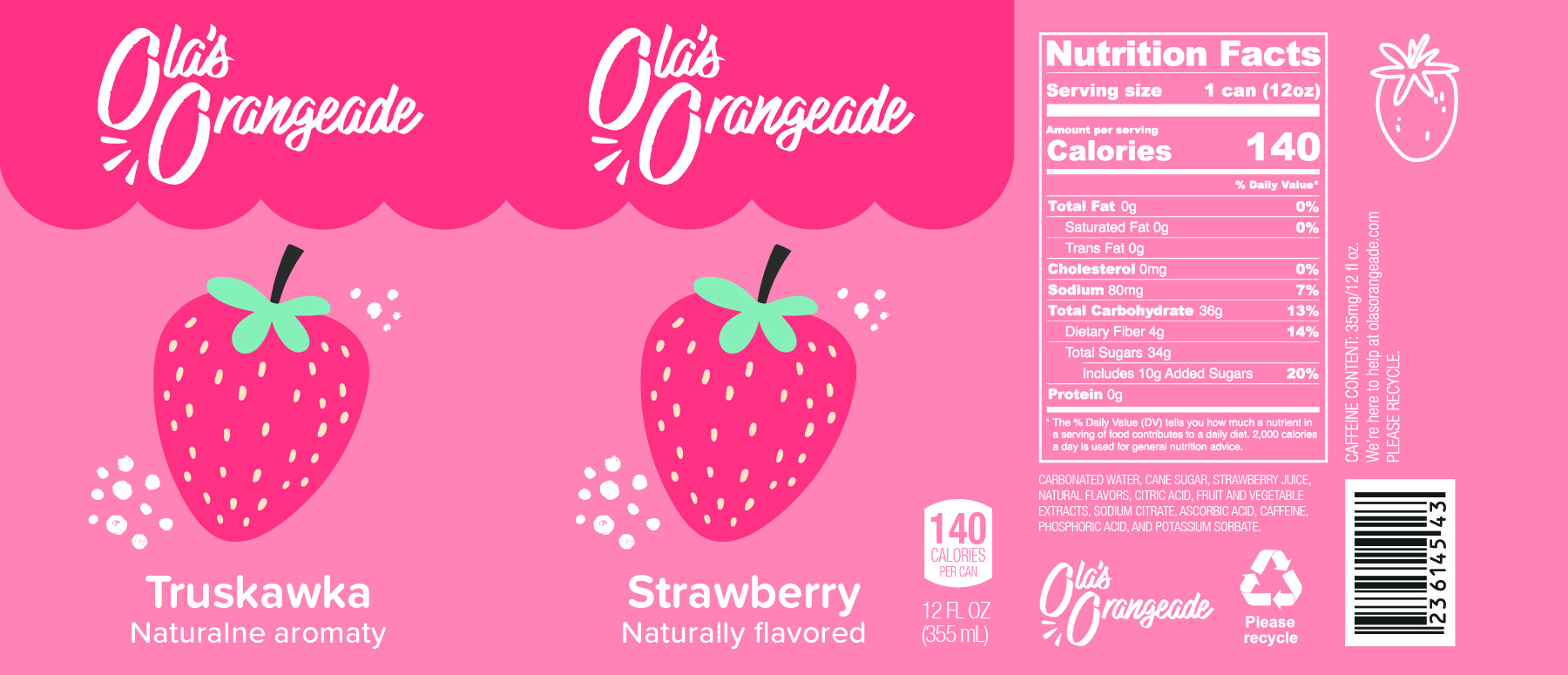
12 fl oz. soda cans
12 fl oz. soda cans
12 fl oz. soda cans
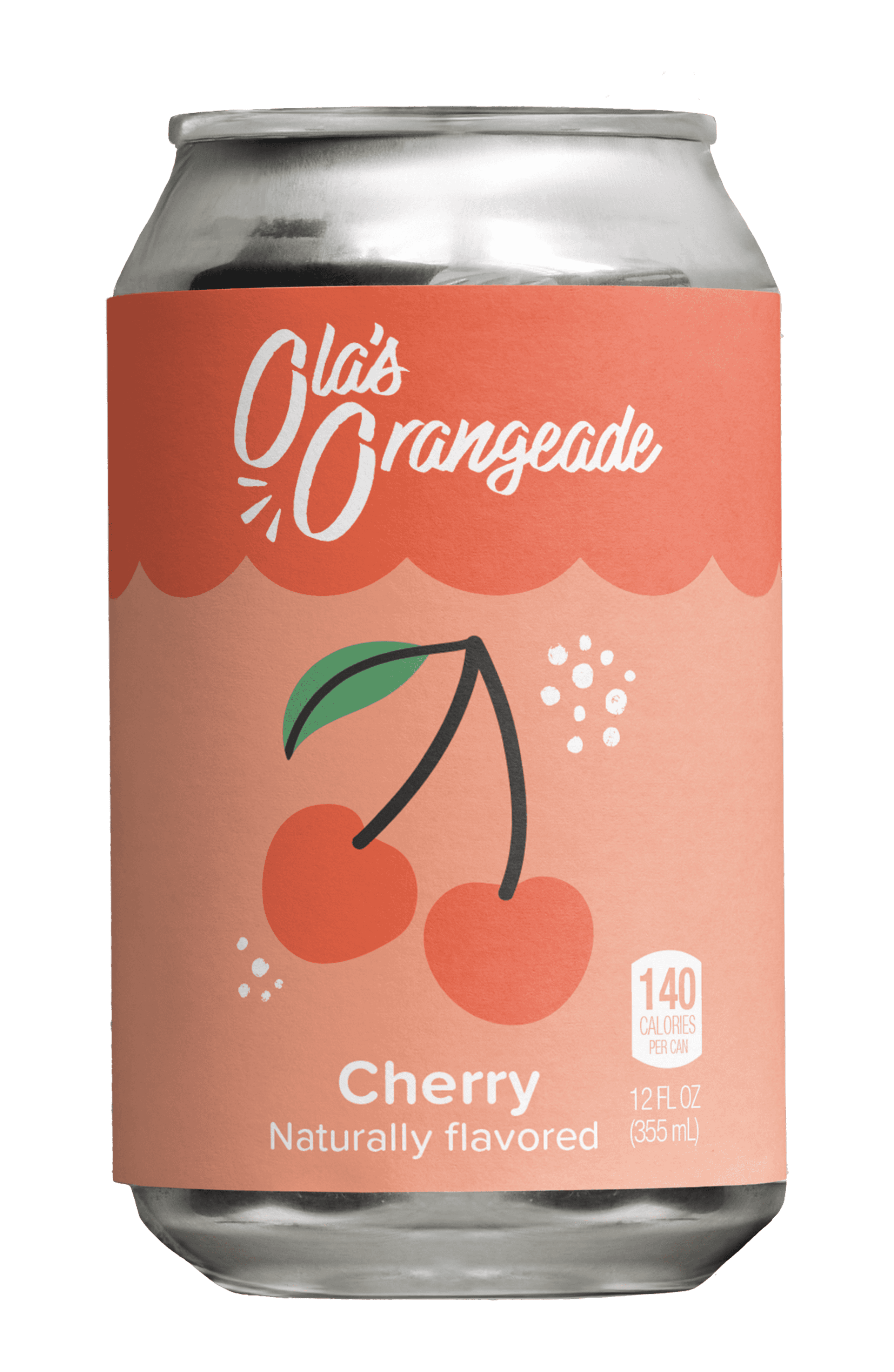
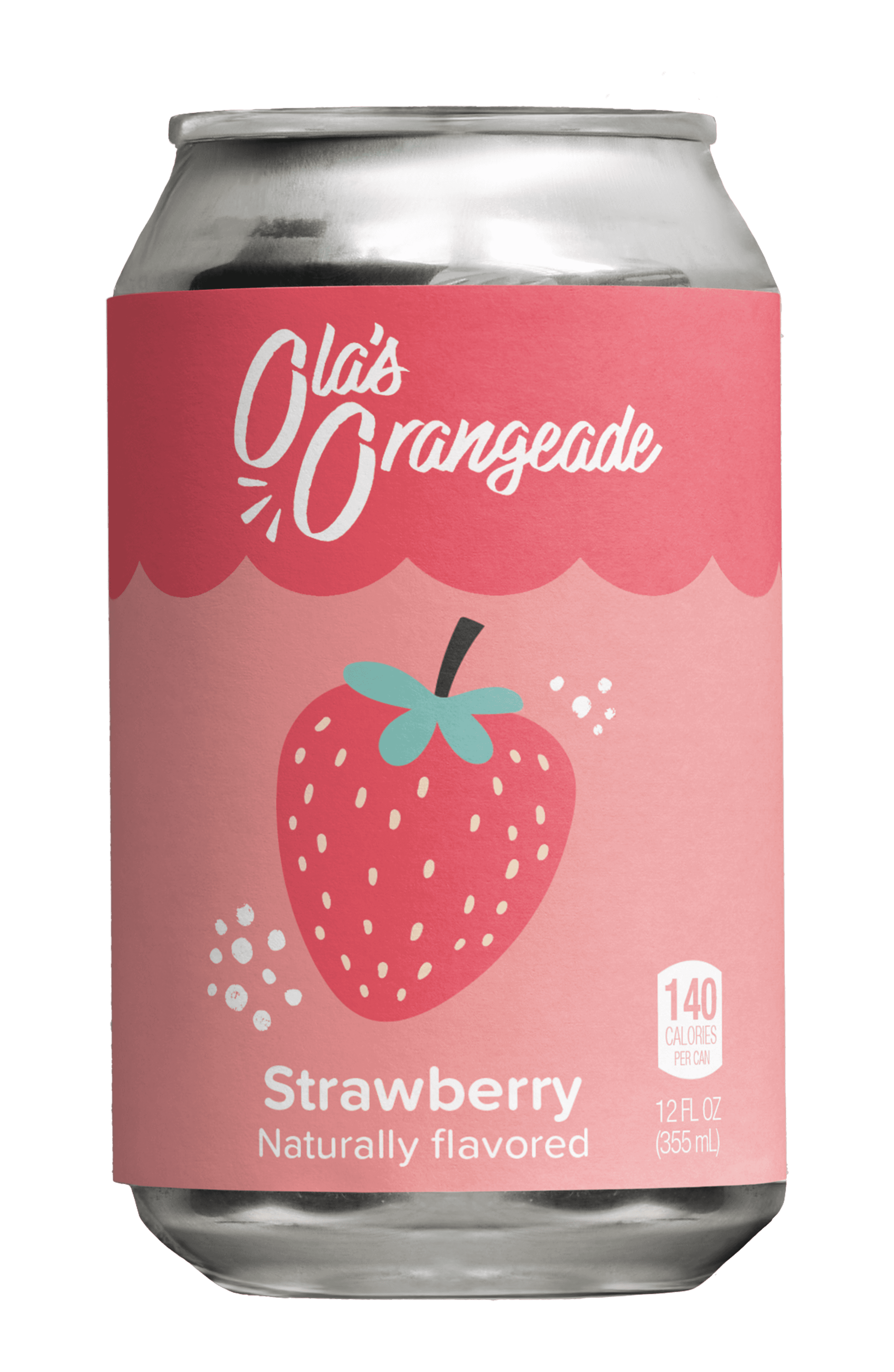
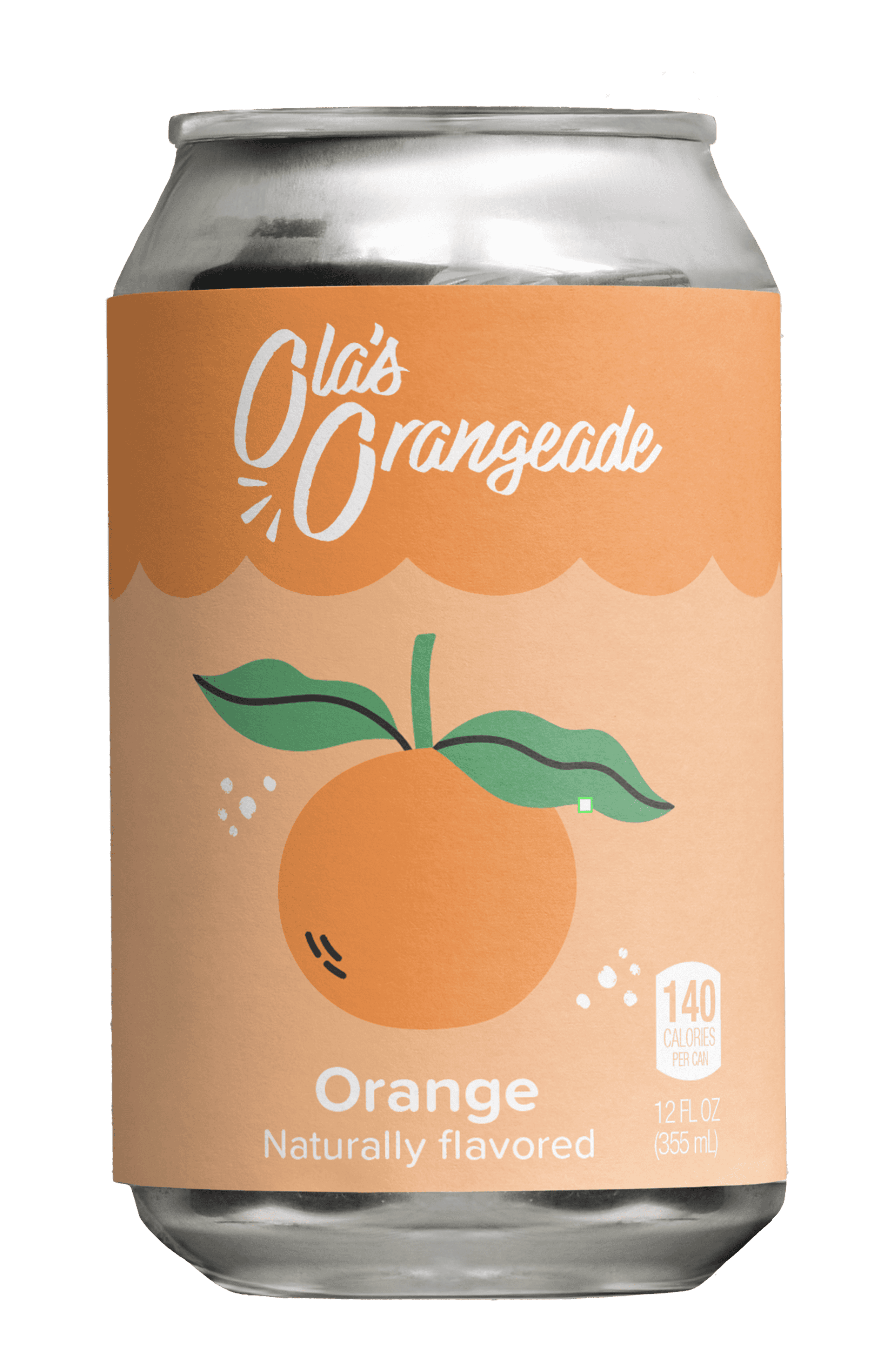
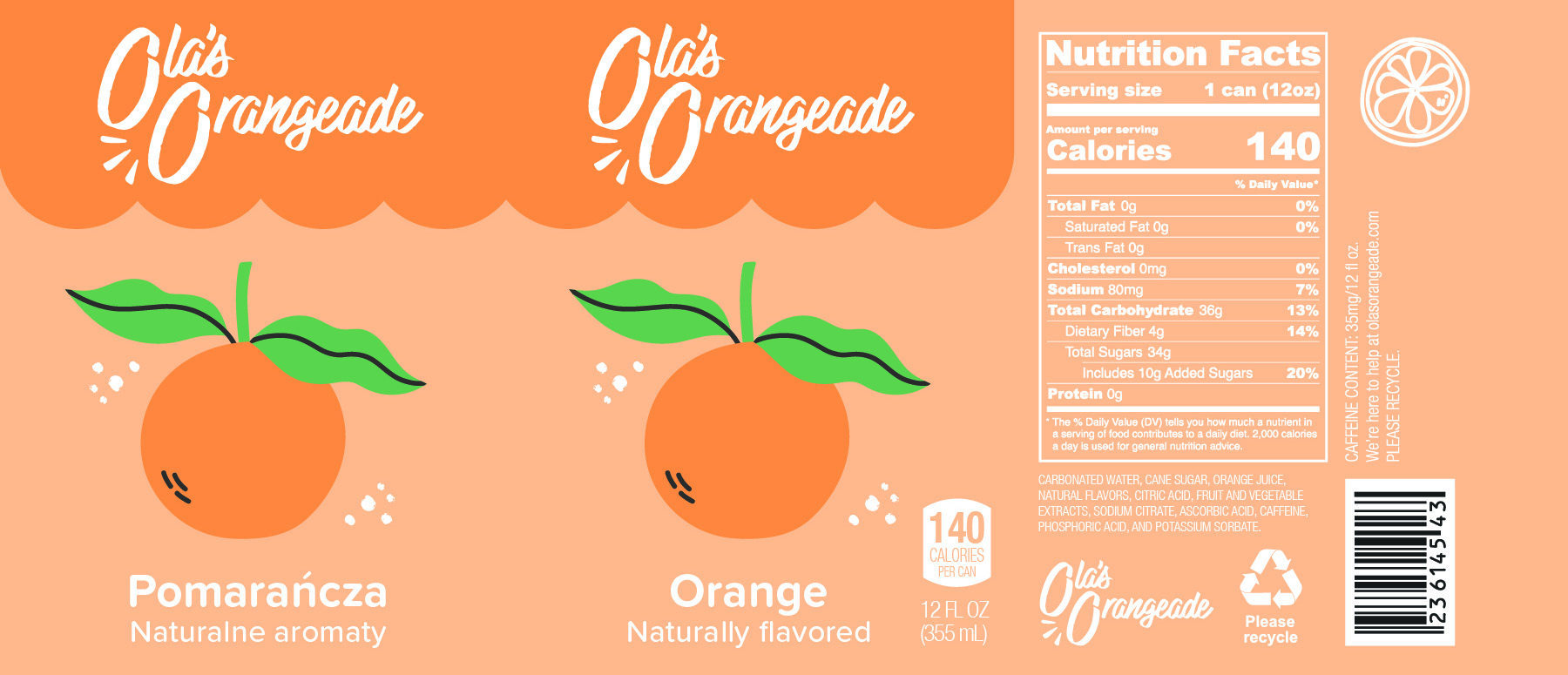
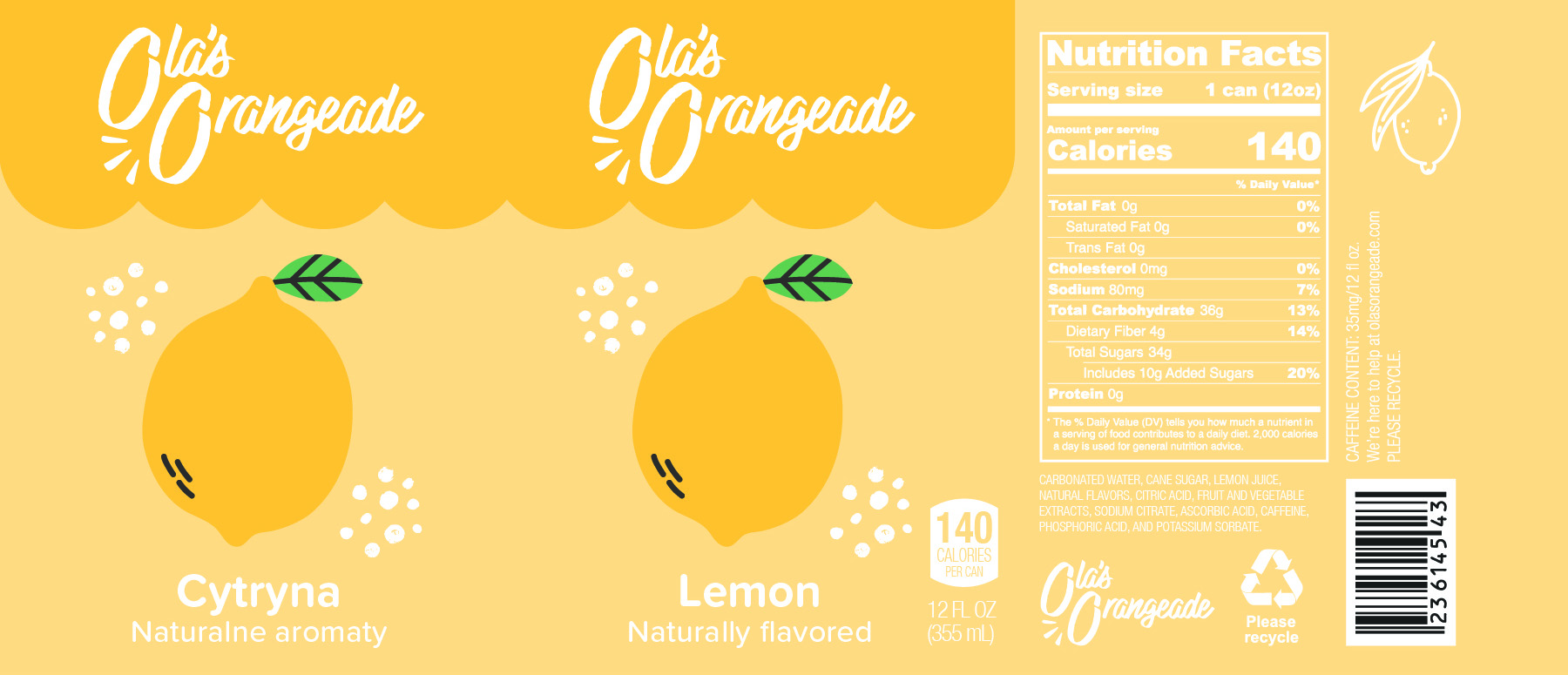
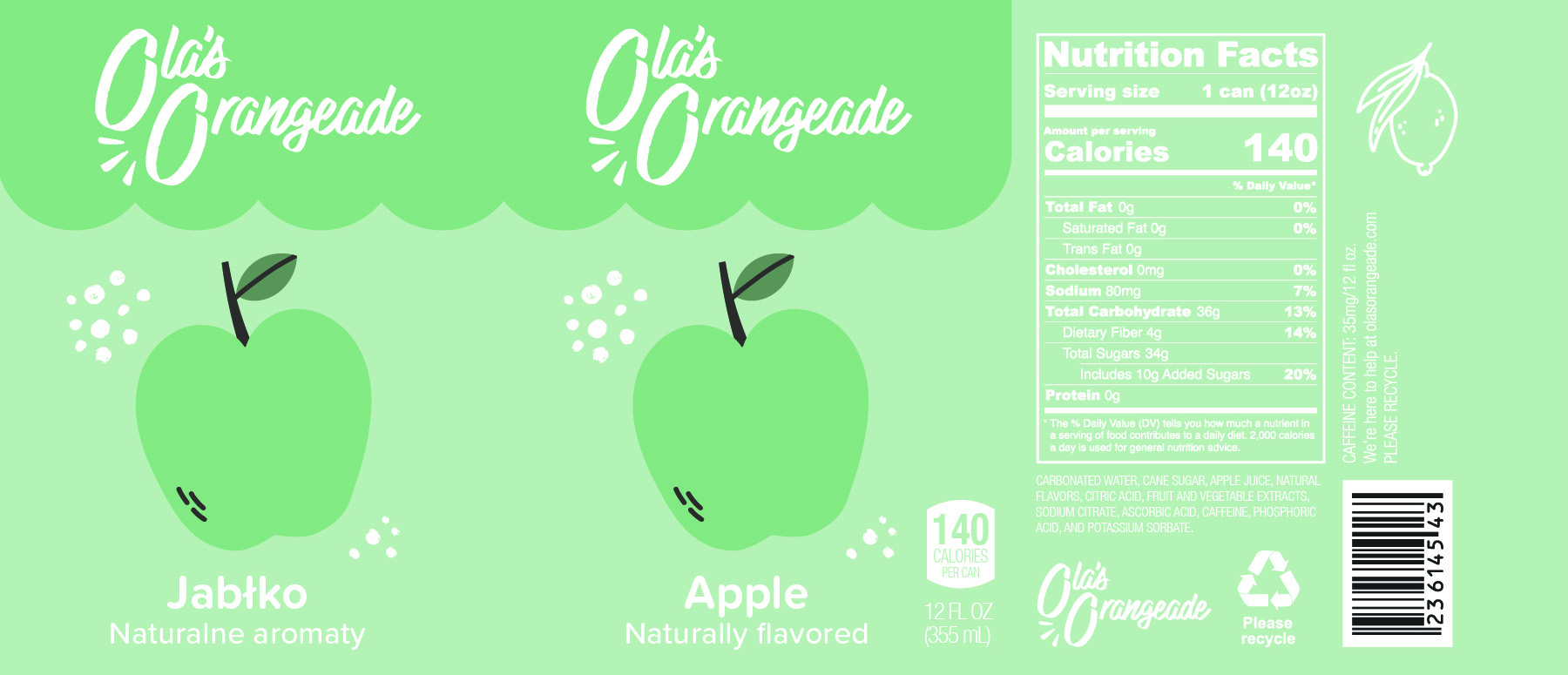


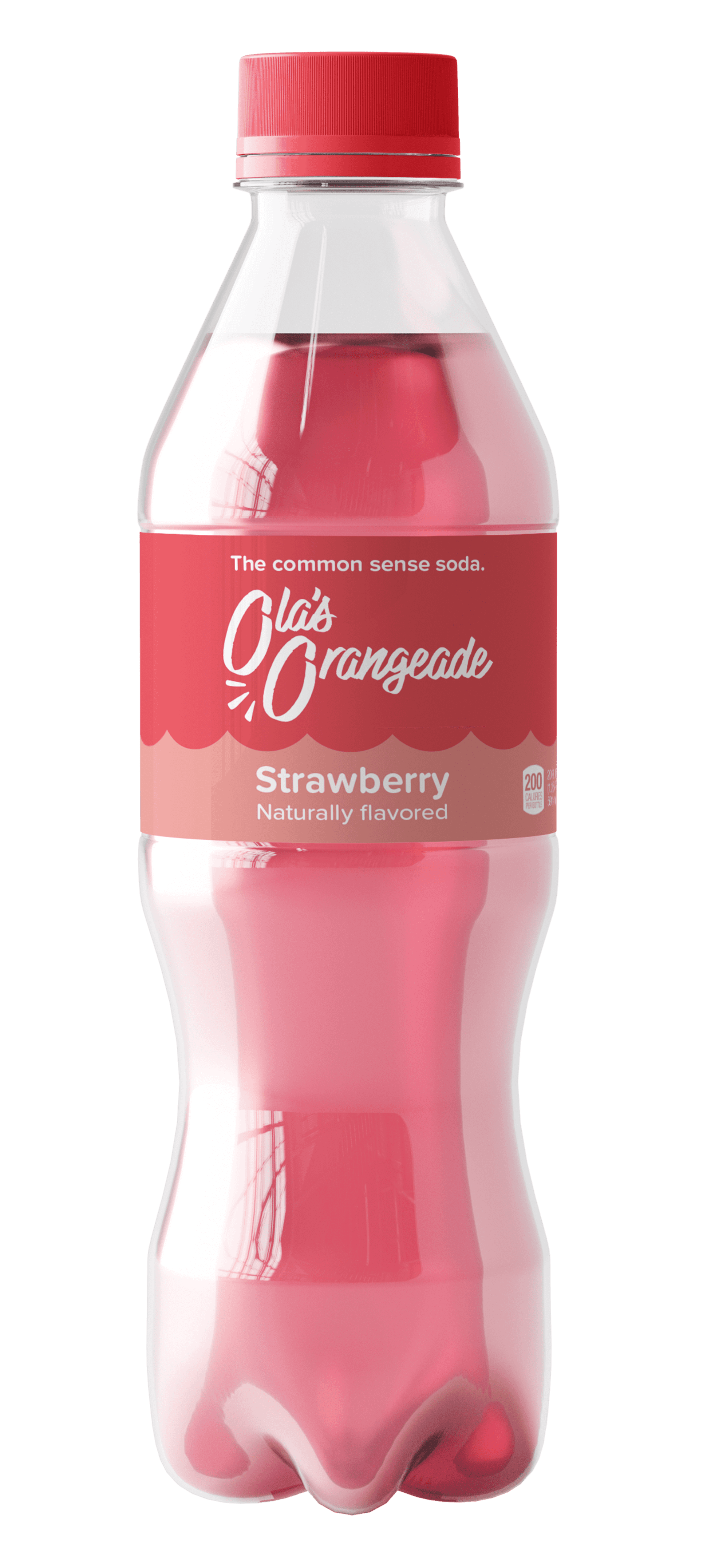
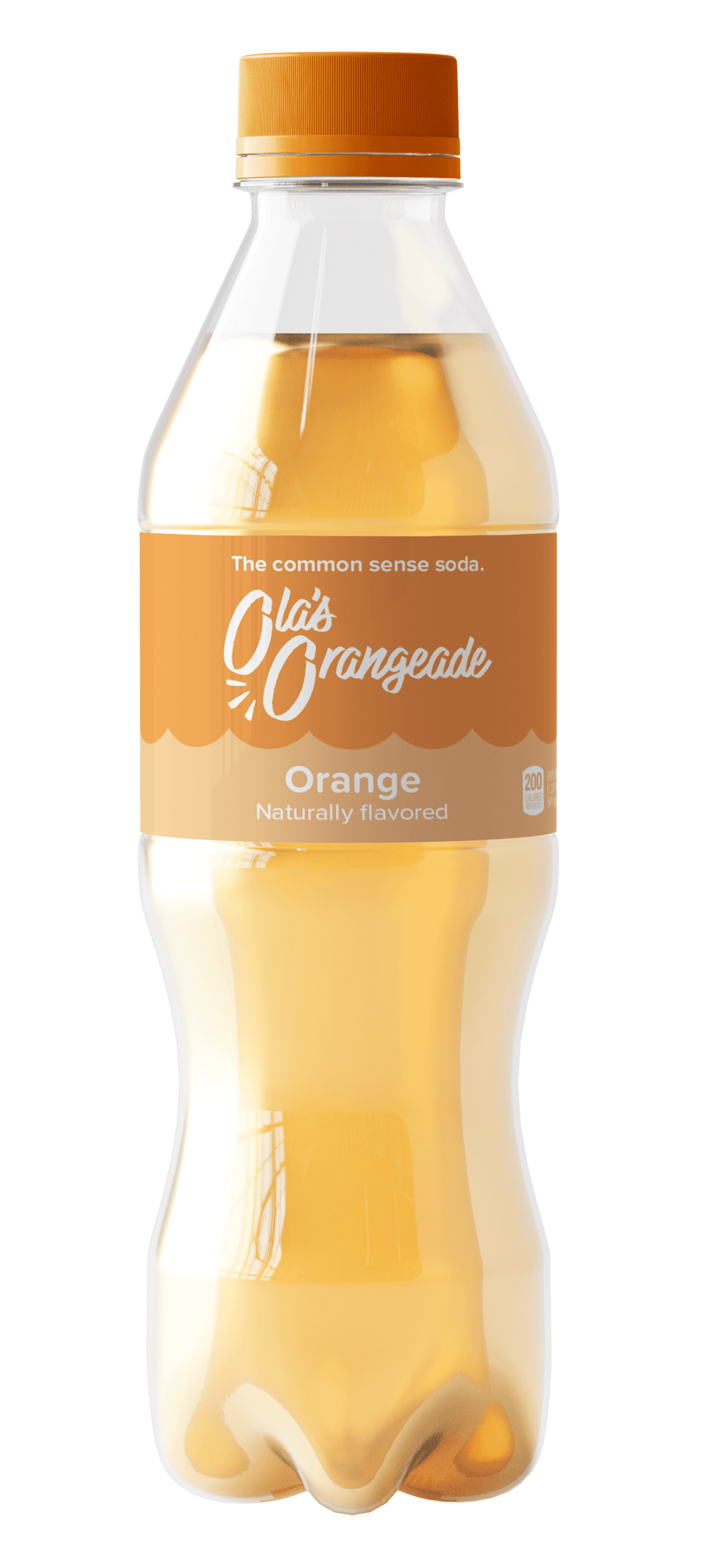
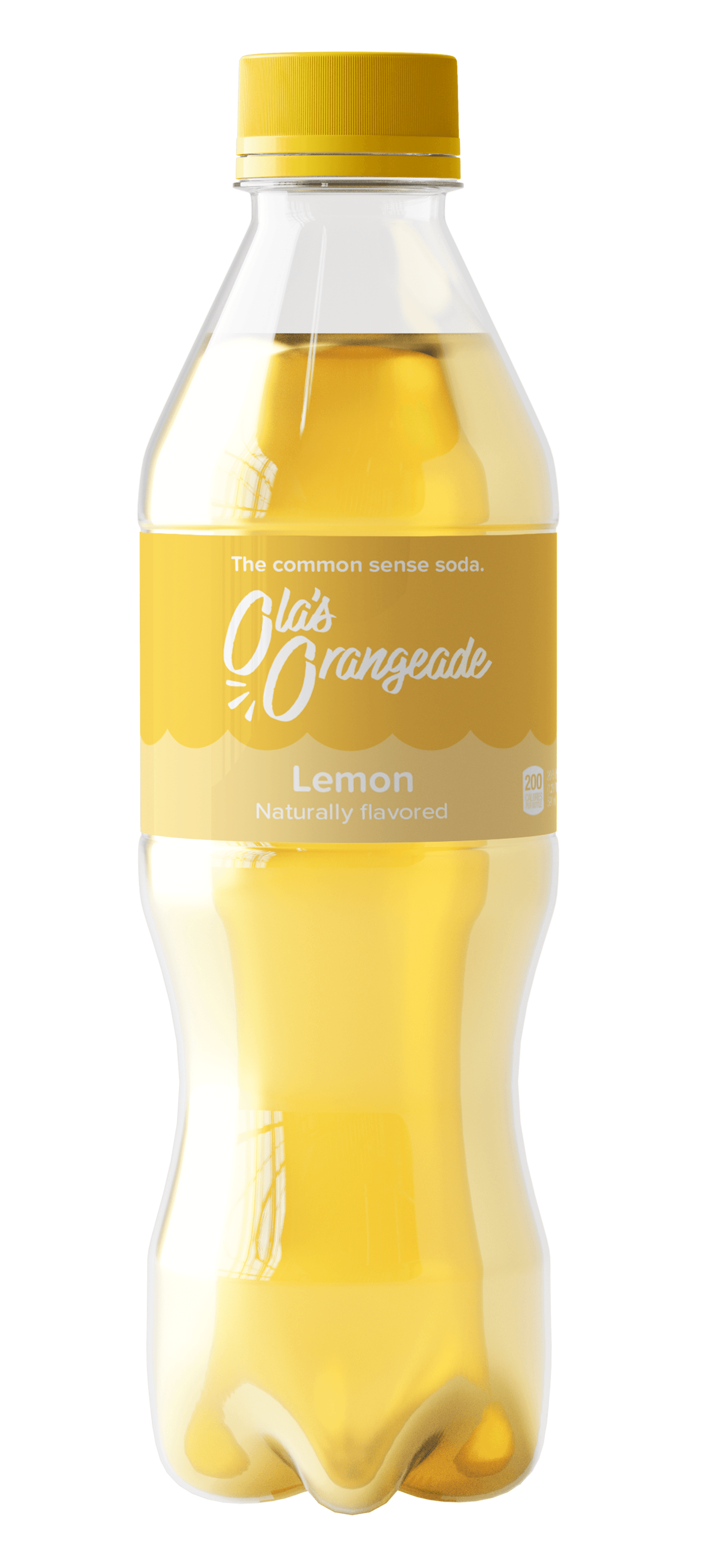
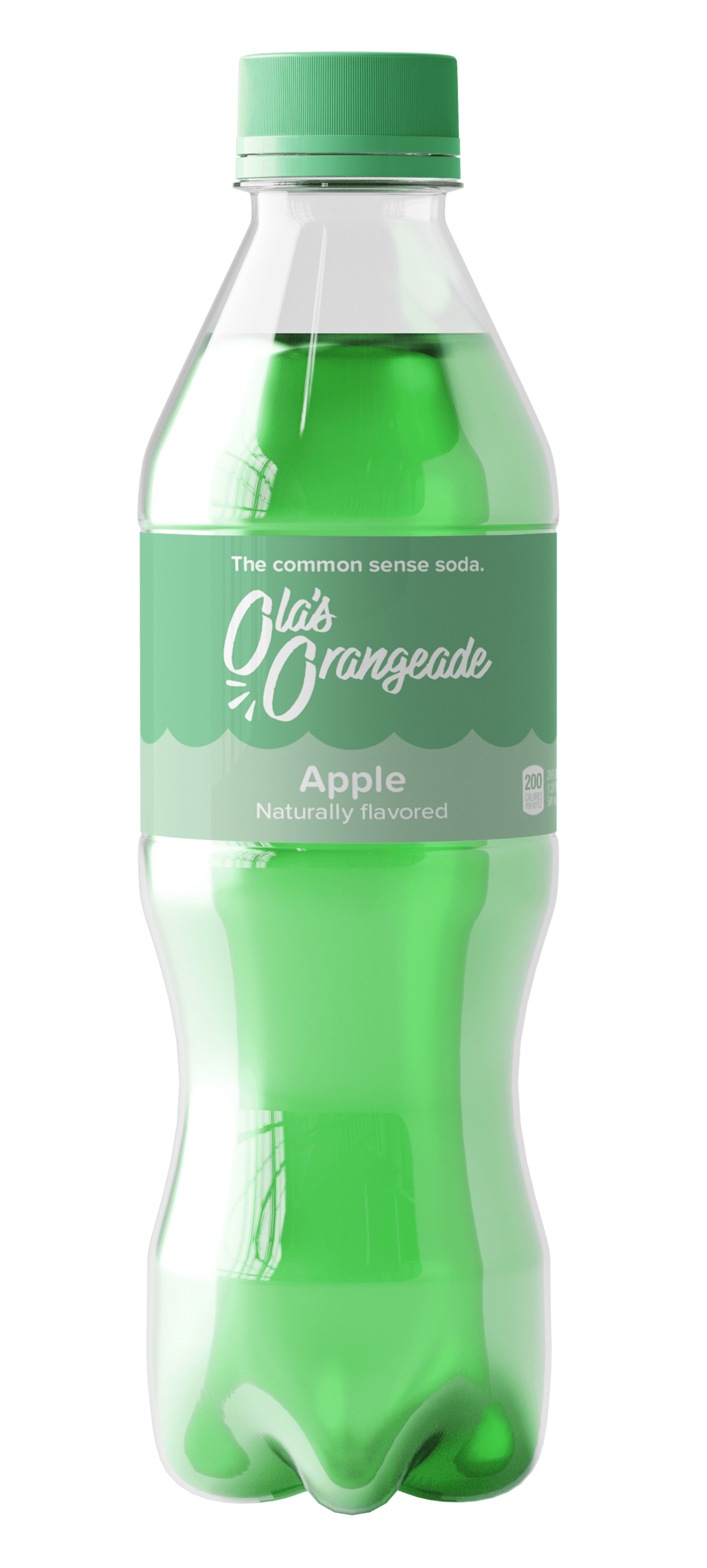
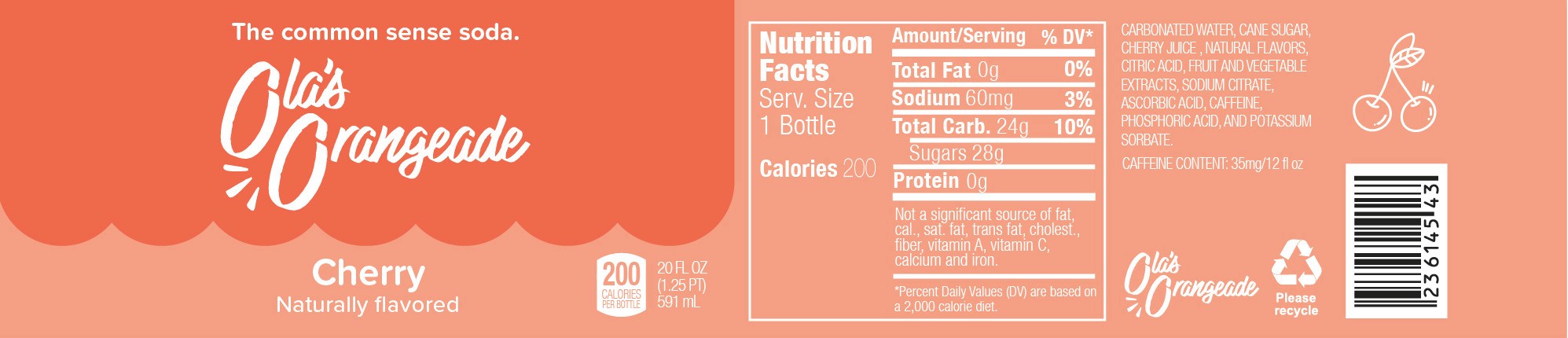
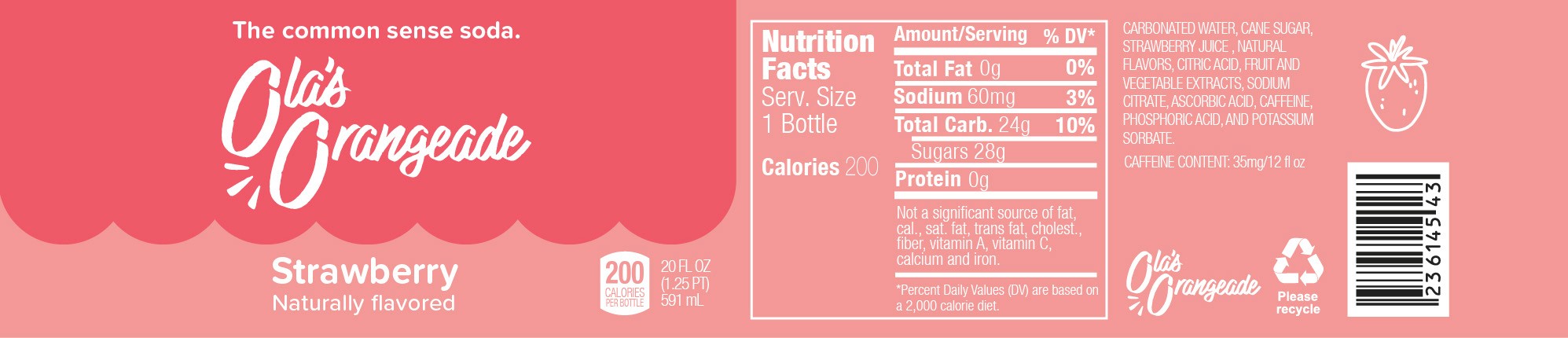
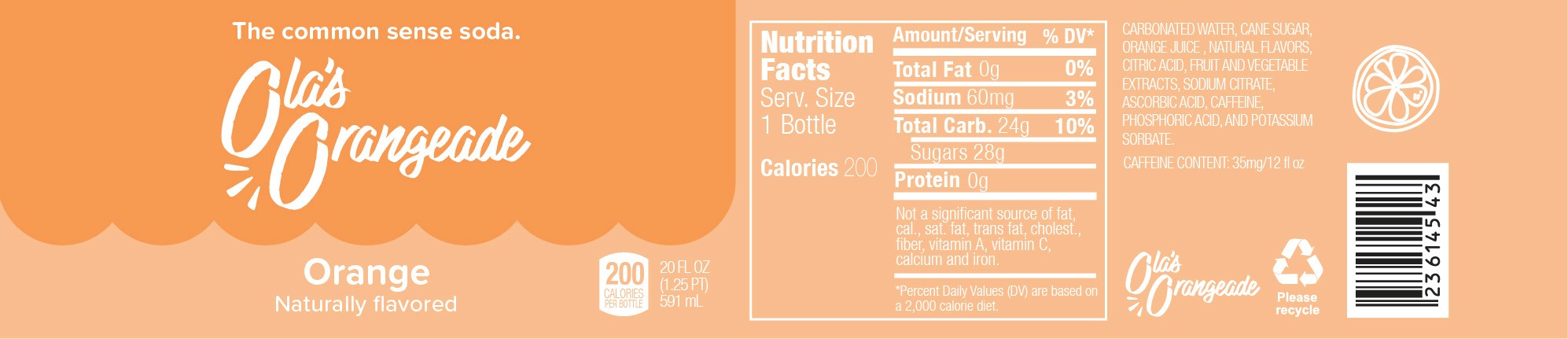
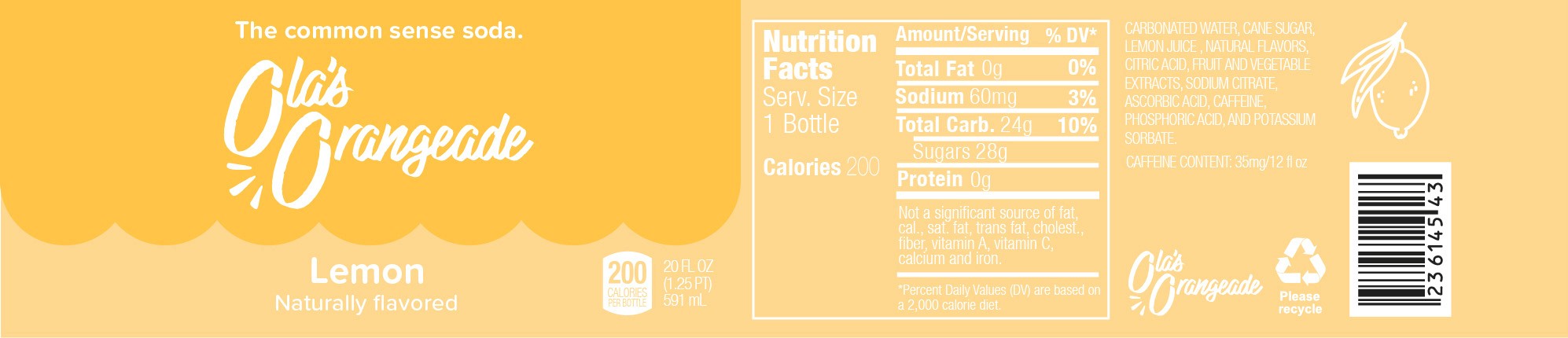
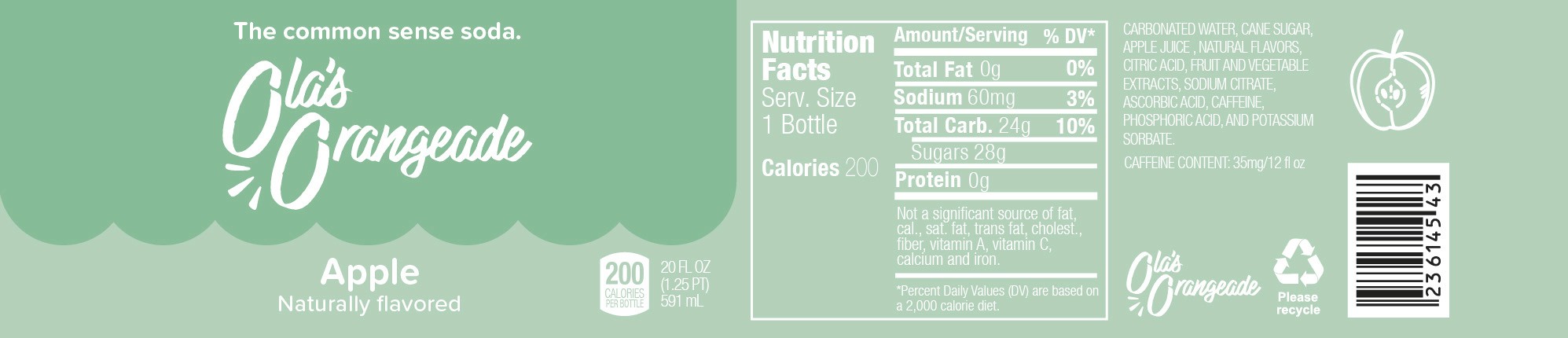
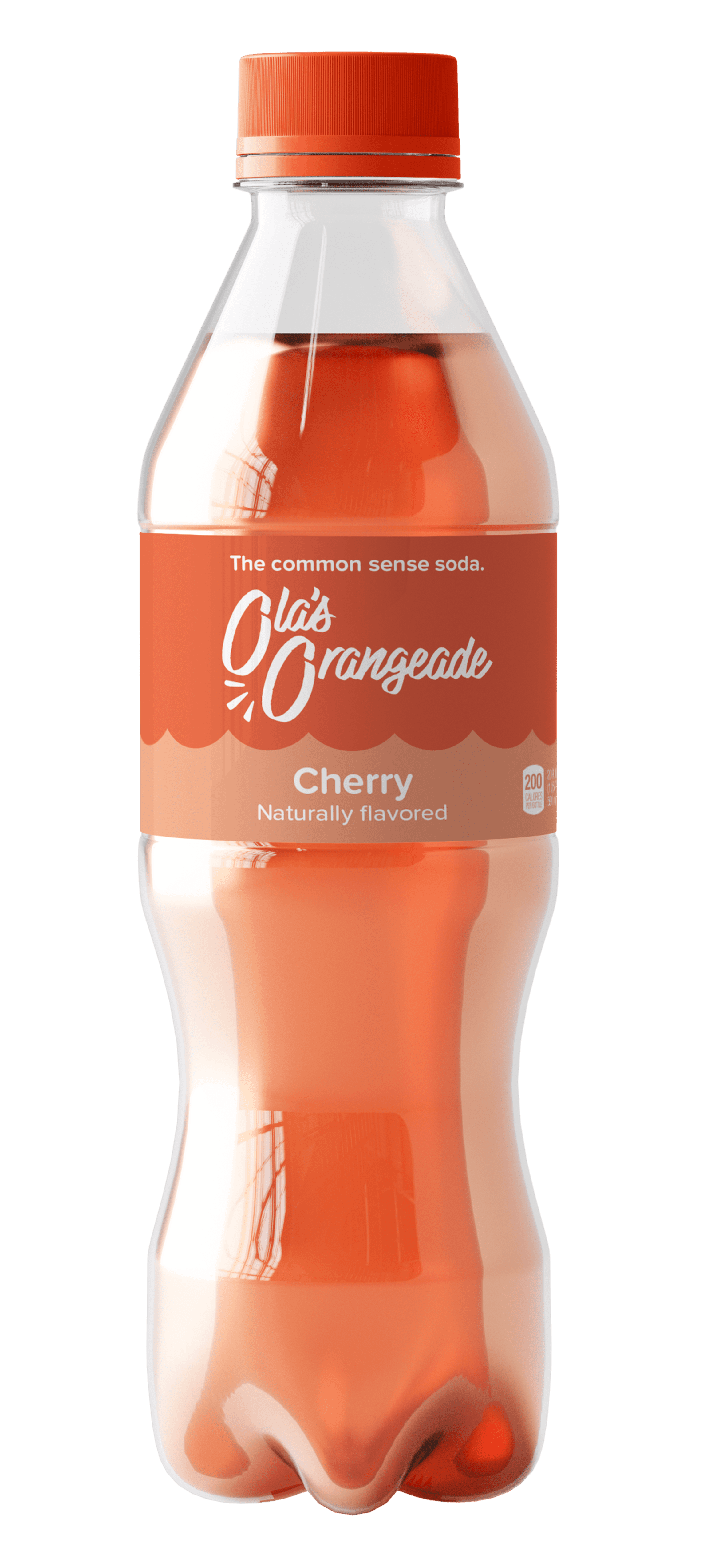
20 fl oz. soda bottles


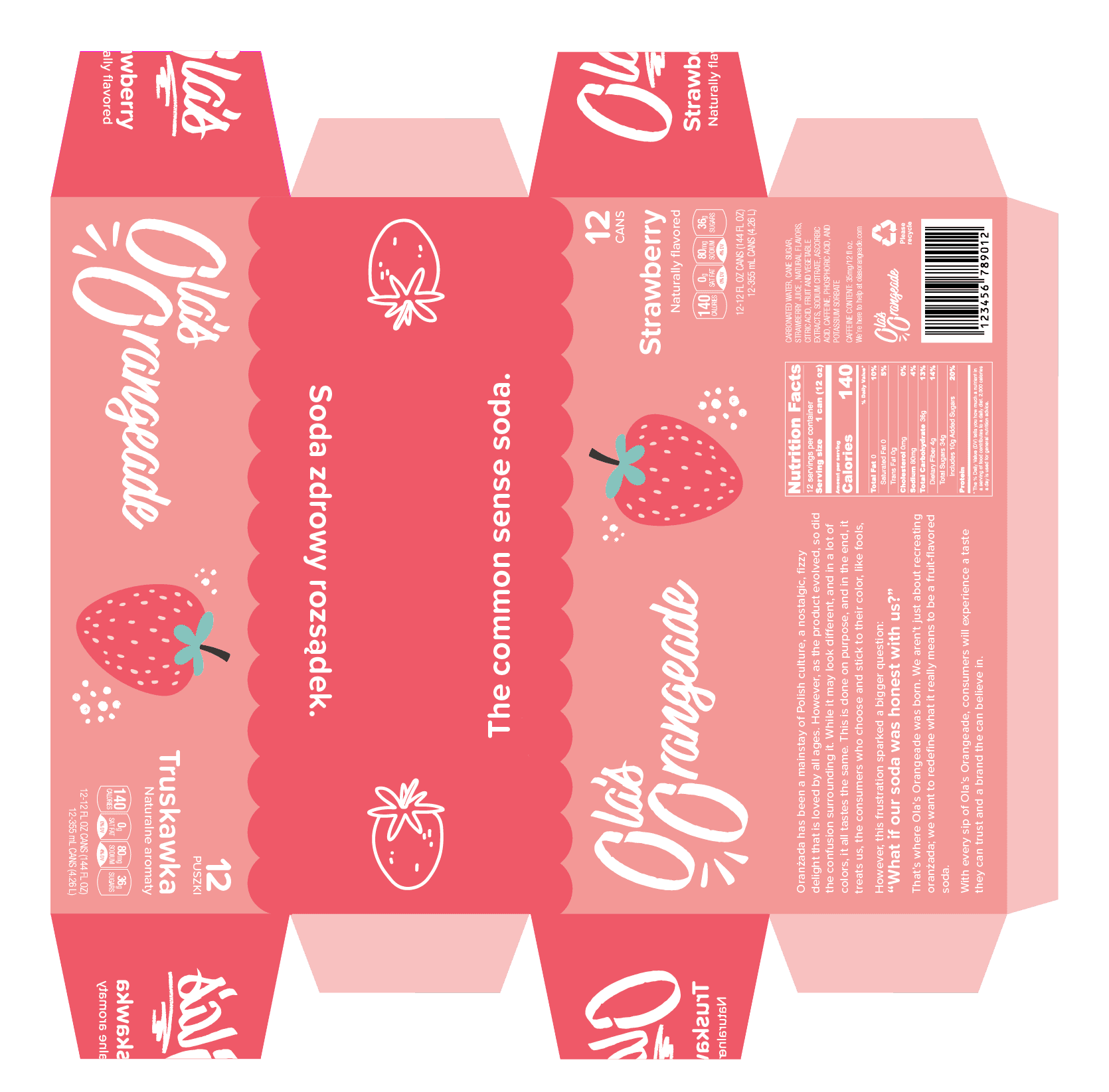
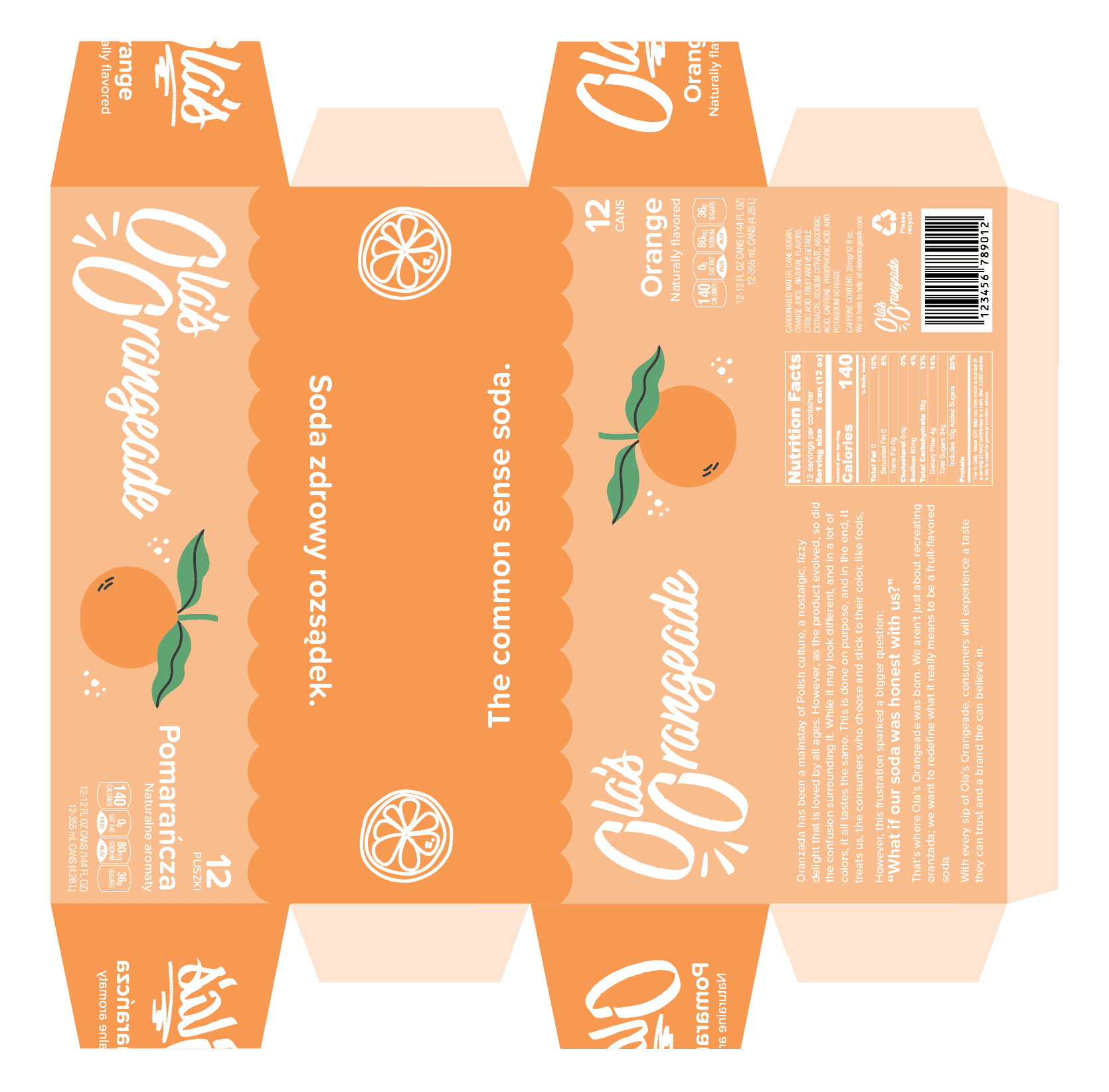
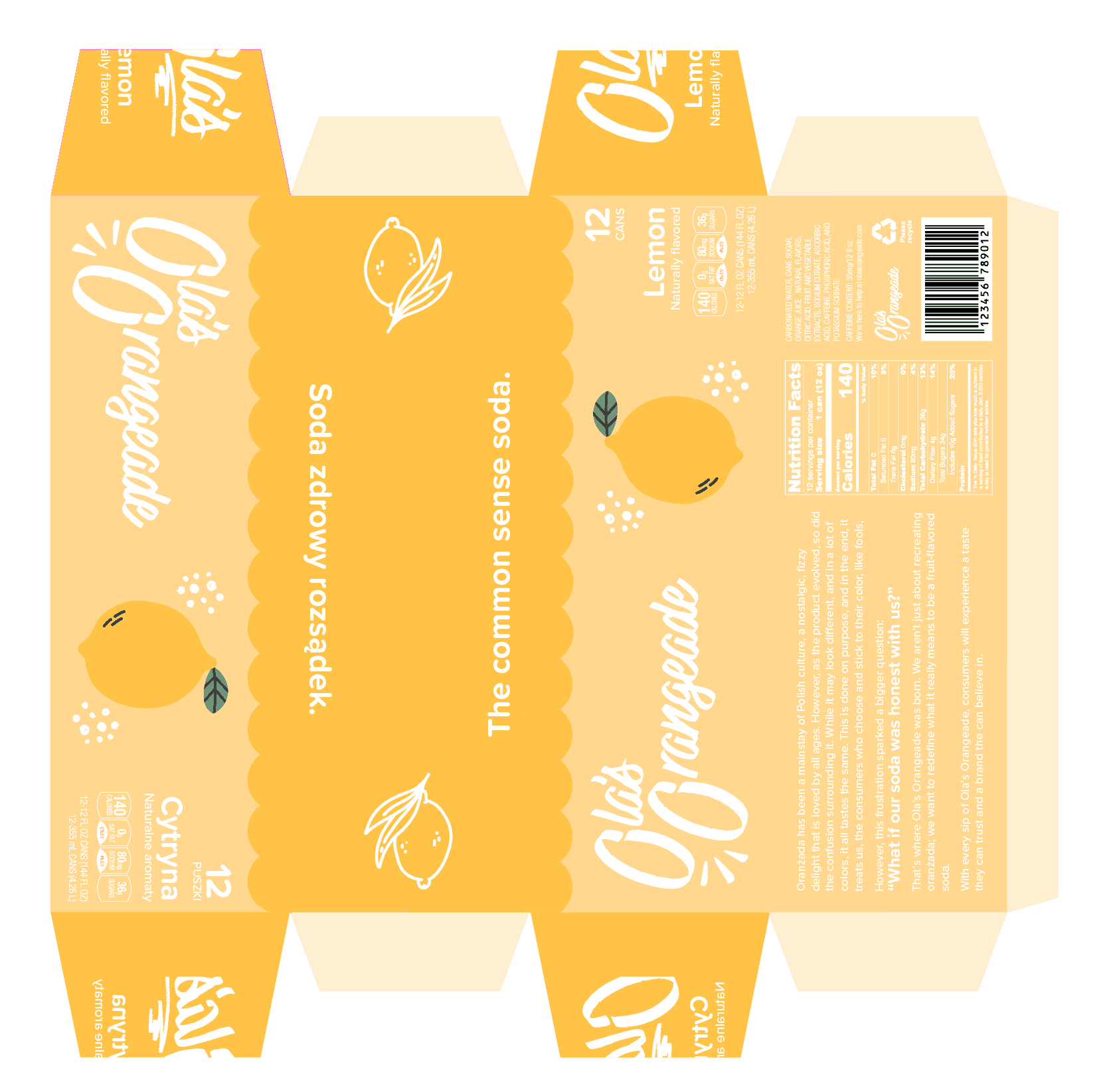
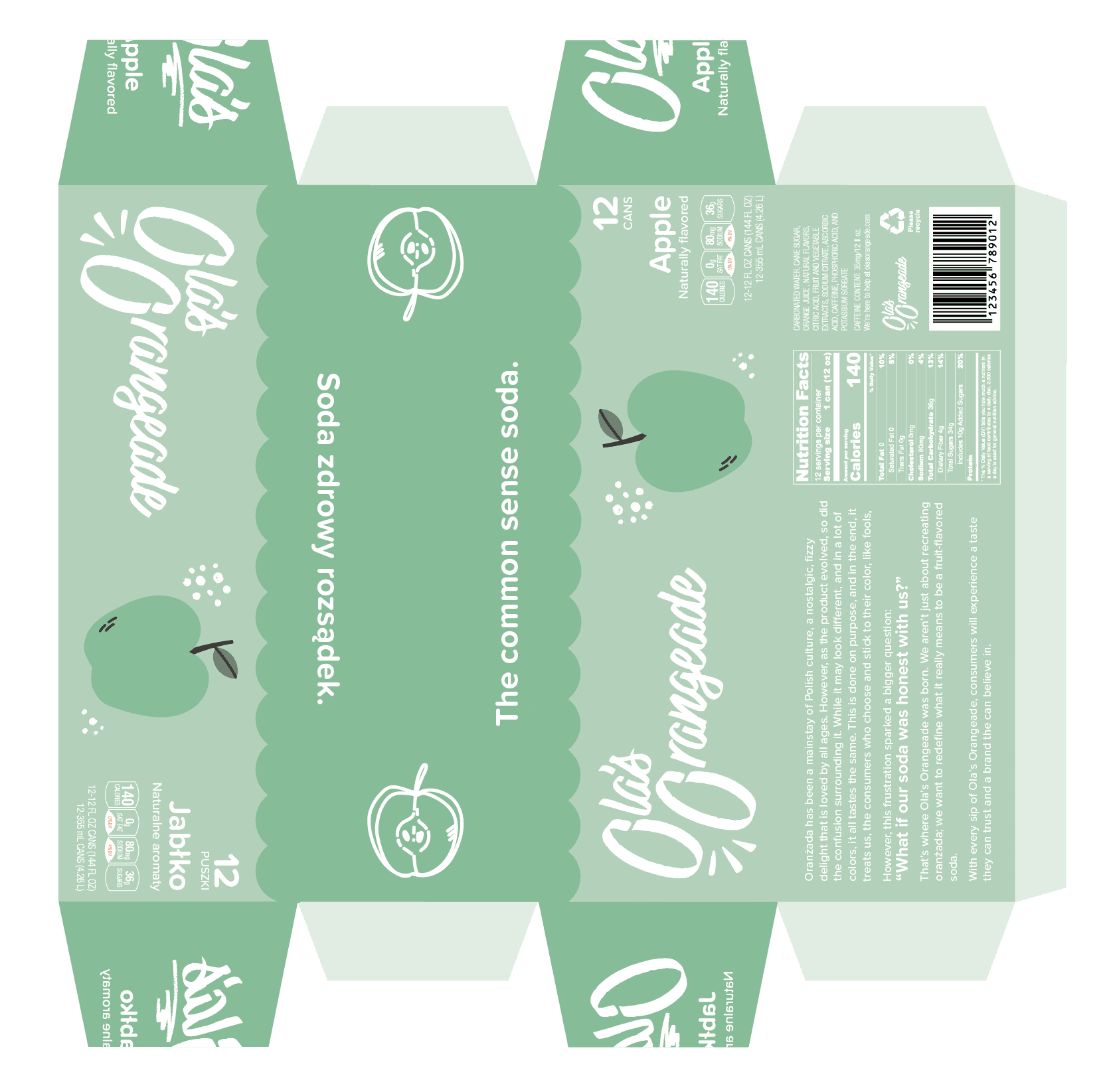
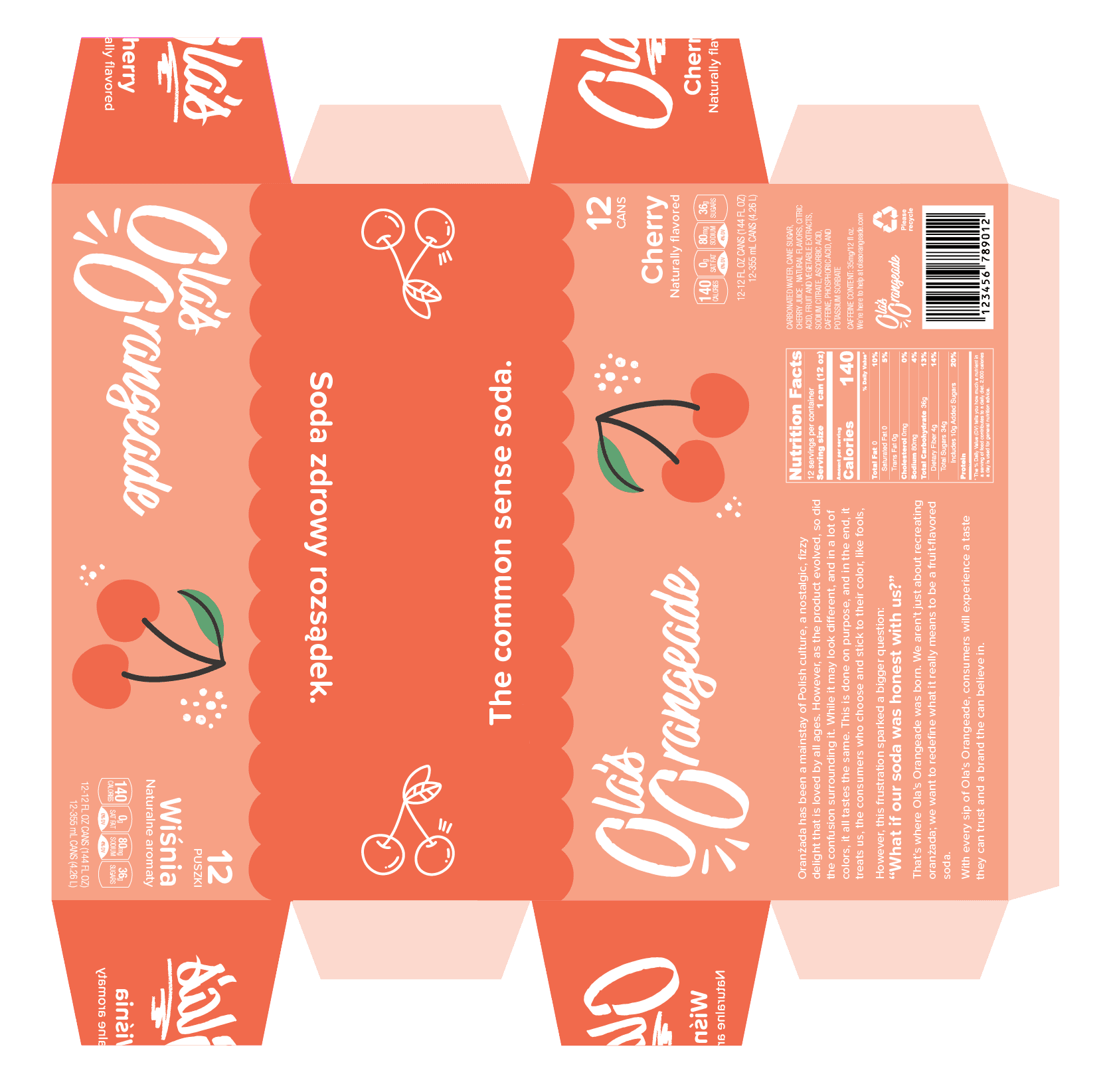
12 pack of soda cans


Product Advertising
Product Advertising
Product Advertising
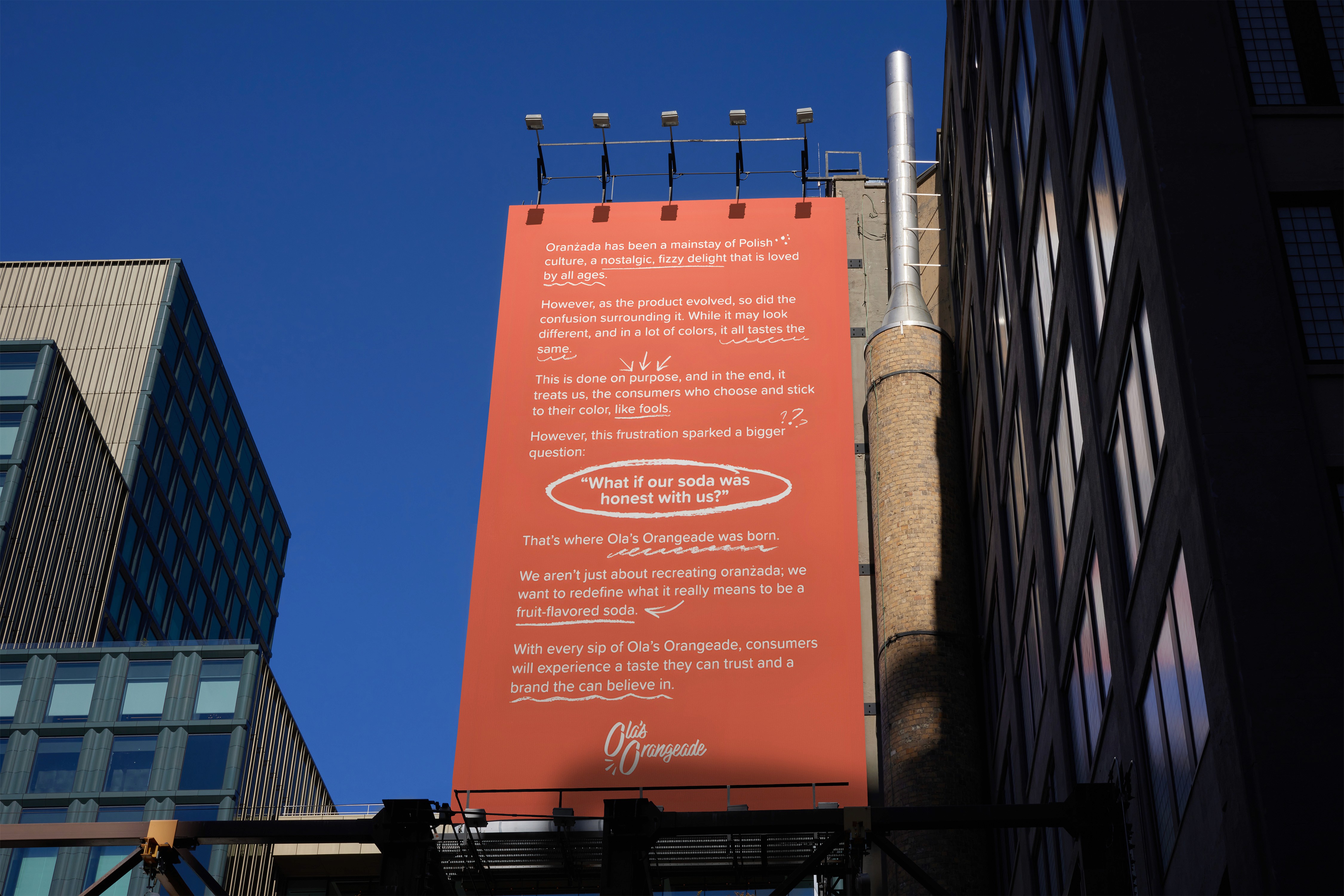
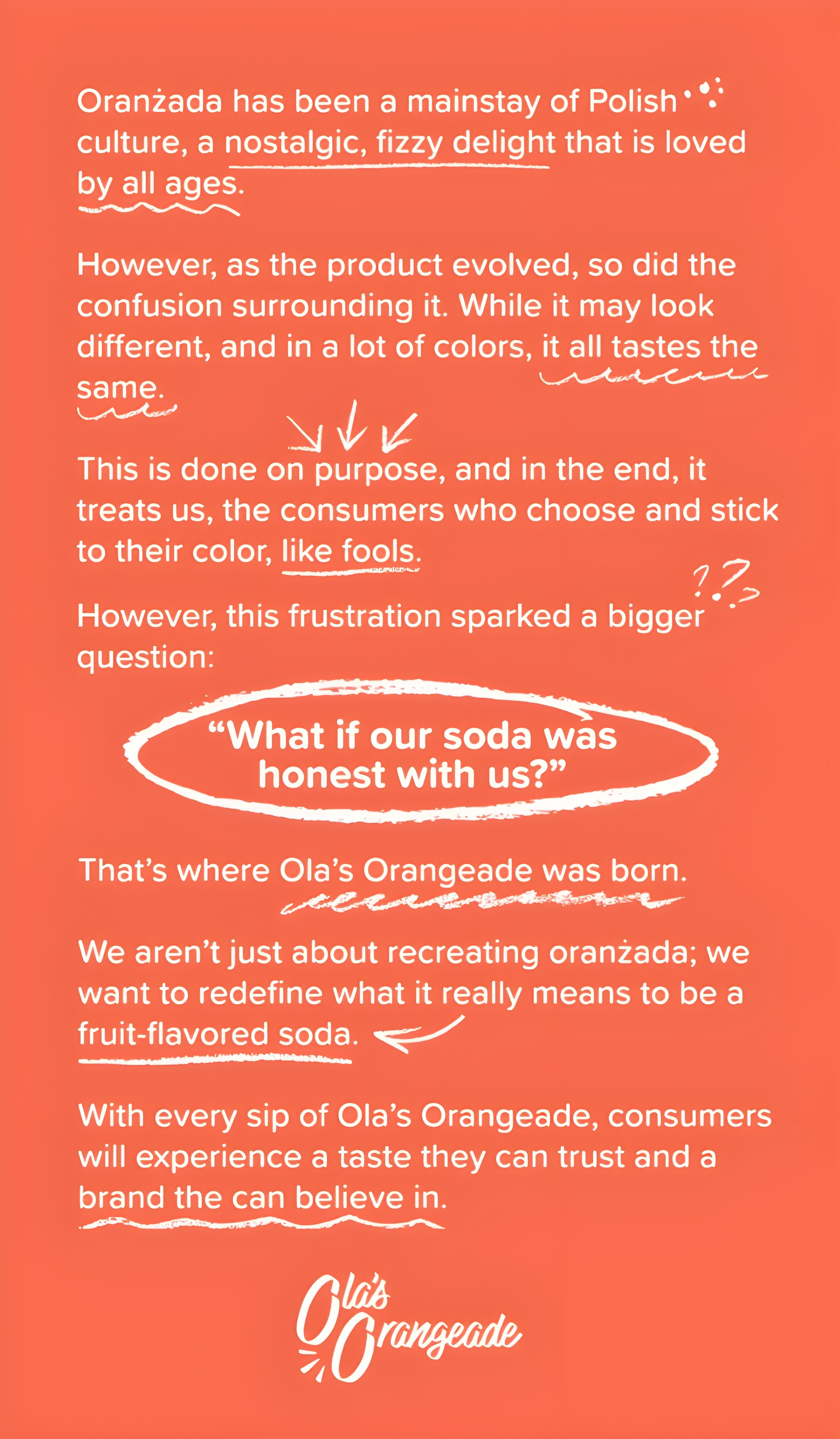
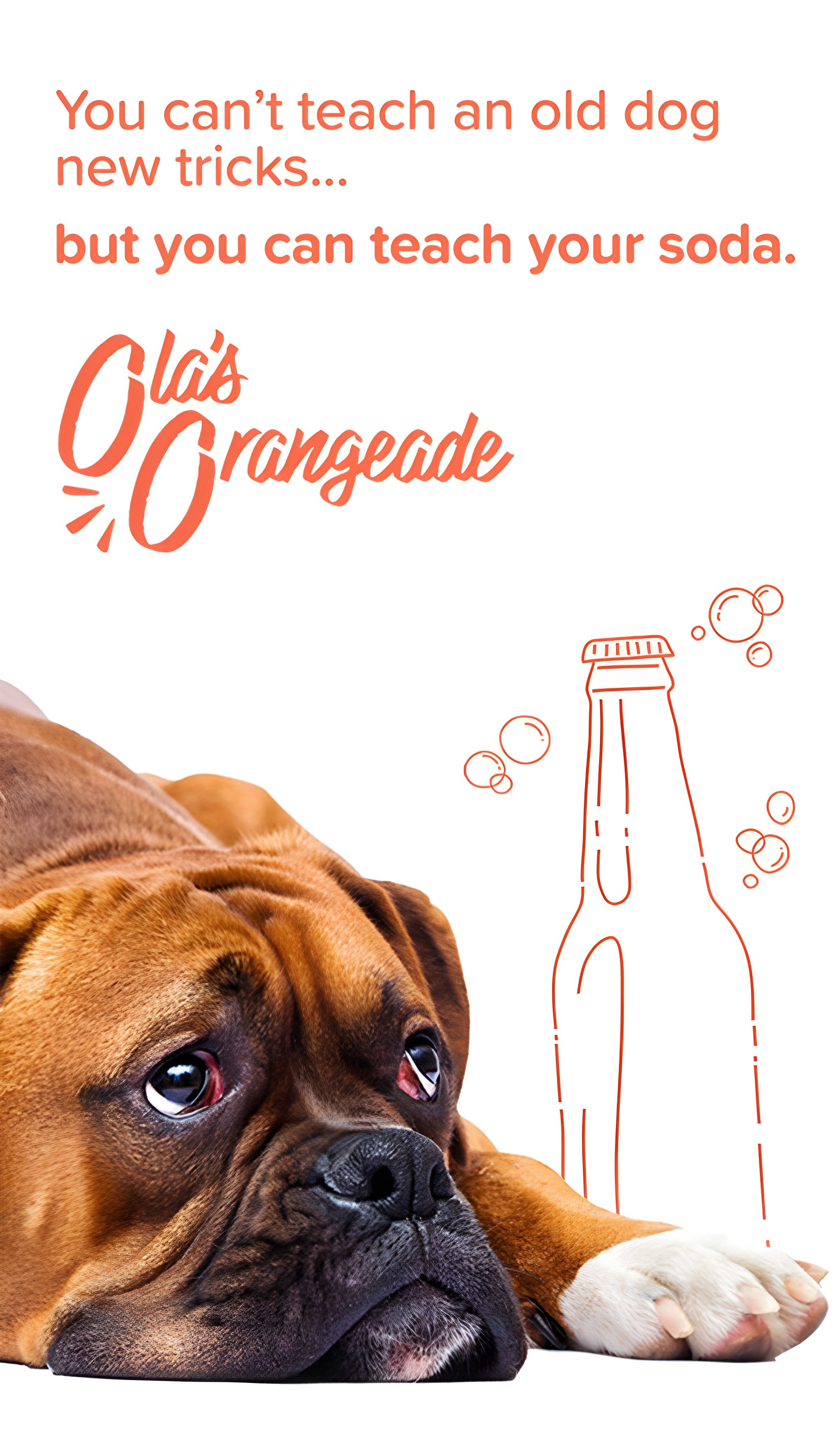
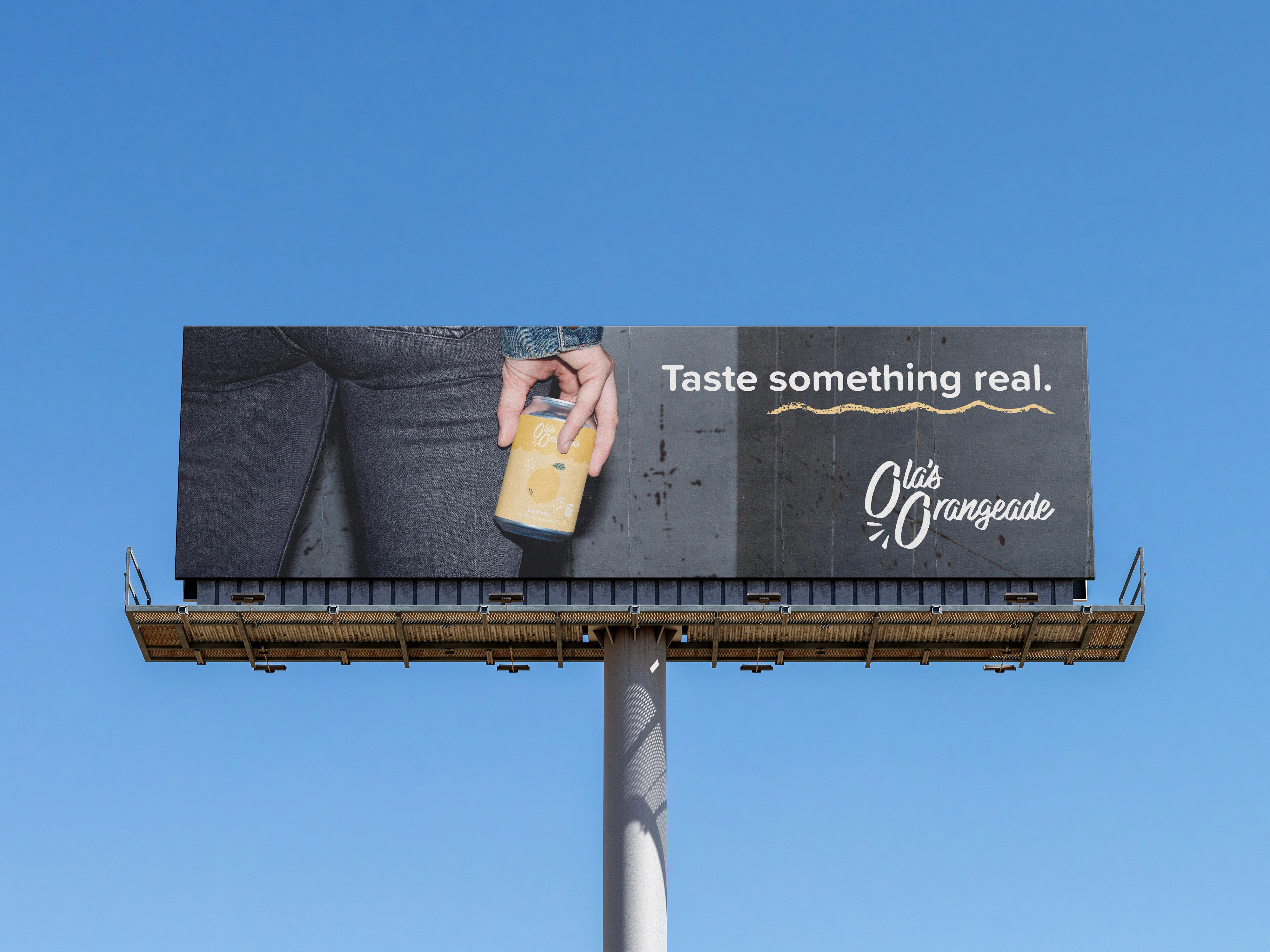
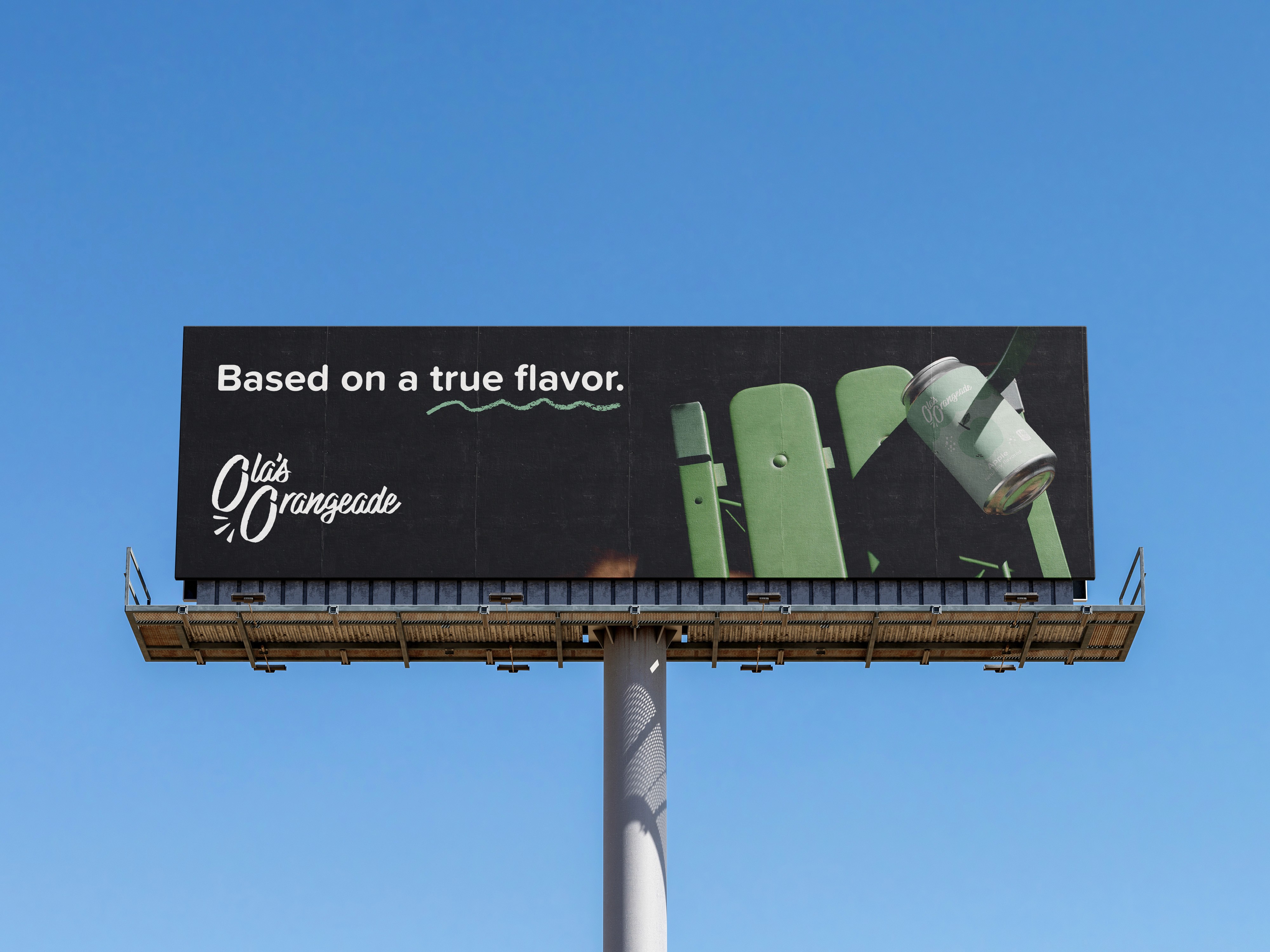
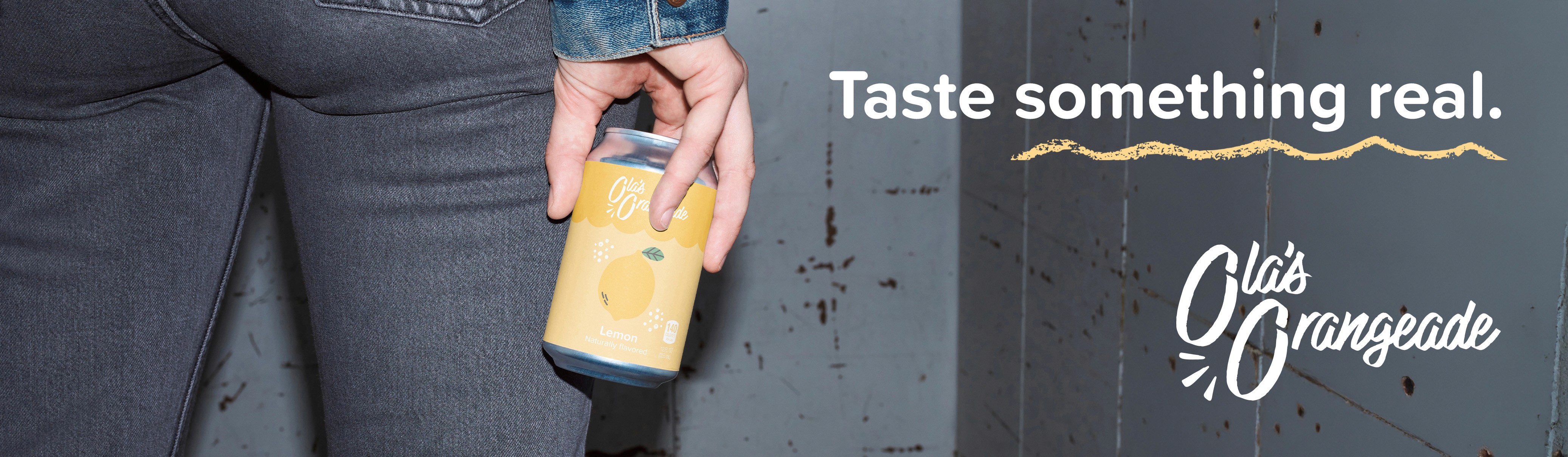
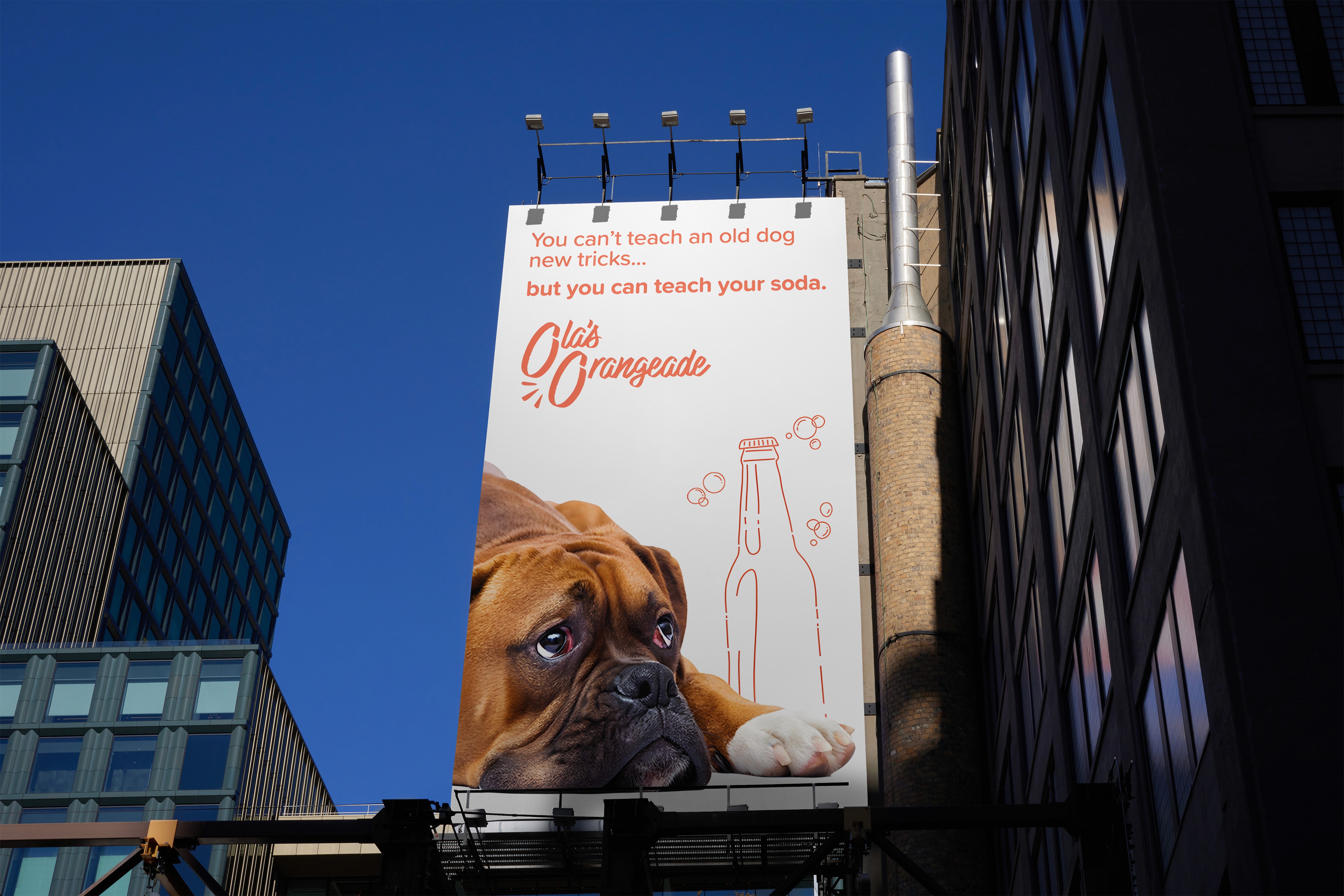
Vertical billboards
Vertical billboards
Vertical billboards
Exhibition
Exhibiton
Exhibition
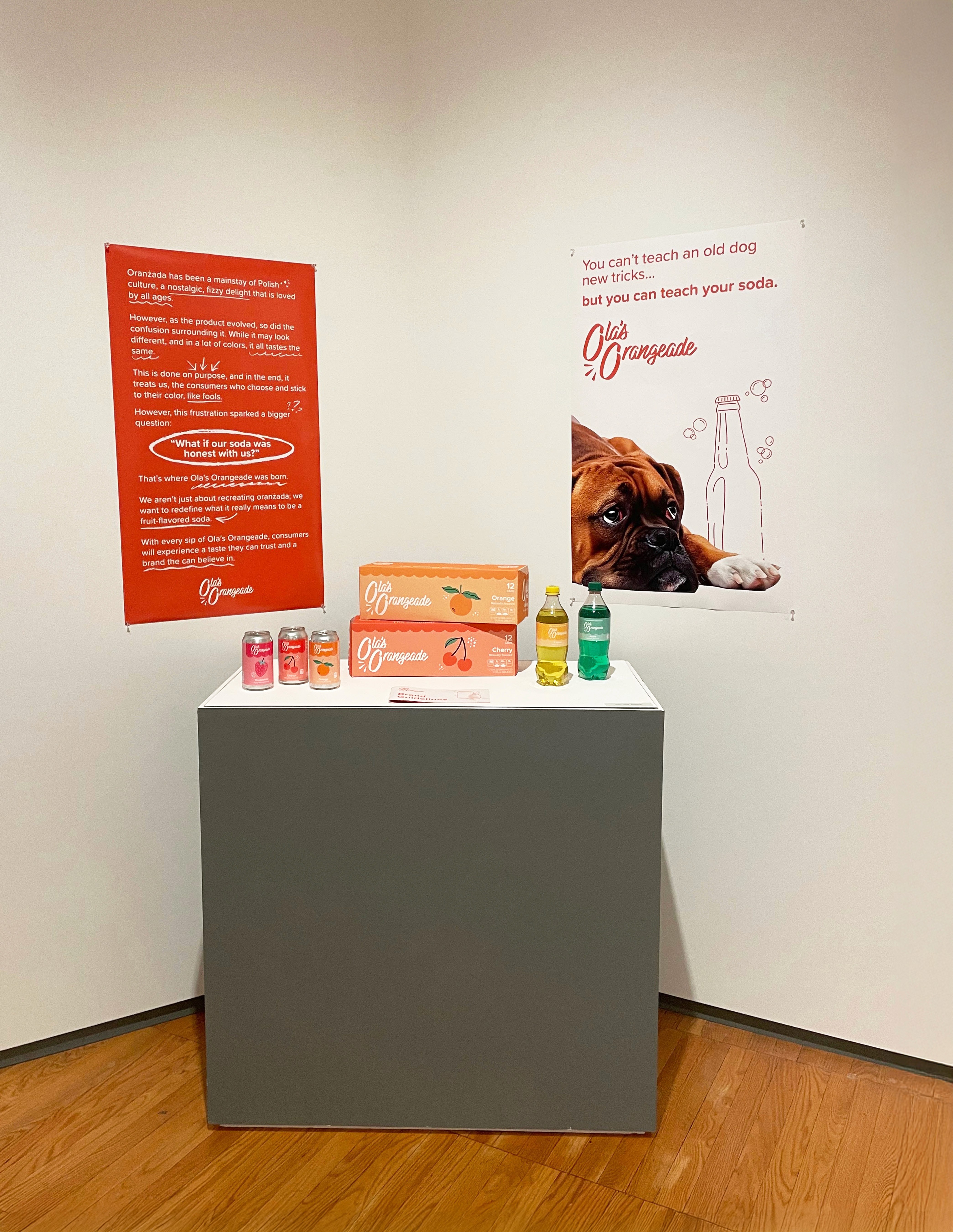
Product packaging and advertising for Ola’s Orangeade were featured at the 2025 Bachelor’s of Fine Arts Exhibition at Krannert Art Museum in the University of Illinois.